Advances in pancreatic cancer detection and treatment
Pancreatic cancer is known for being a difficult cancer to detect and treat. It is the seventh leading cause of global cancer deaths in industrialized countries and the third most common in the USA, despite accounting for only about 3% of diagnosed cancers.
The cause of pancreatic cancer is not clear and research is ongoing. Some factors such as smoking, diabetes, obesity, and some genetic mutations have been shown to increase the risk of developing pancreatic cancer.
Why is pancreatic cancer difficult to detect?
As with other types of cancer, early detection improves the chances of successful treatment. Surgical removal of pancreatic tumours offers the best chance for a cure.
However, currently the majority of pancreatic cancers are diagnosed at an advanced stage when surgery may not be an option.
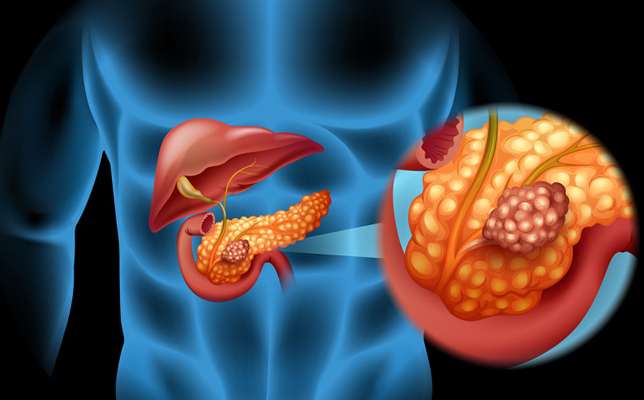
Detecting tumours can be challenging as the pancreas sits deep in the abdomen and is hidden behind other organs. Pancreatic cancer often shows no symptoms in the early stages. Even the symptoms which do occur can be caused by many other medical conditions, so may not raise suspicion of pancreatic cancer.
However, there is cause for hope. Research is enabling earlier detection and advances in the treatment of pancreatic cancer, with the potential to improve survival rates.
How is the detection of pancreatic cancer improving?
Early detection is the most important factor for improving outcomes in the treatment of pancreatic cancer. However, unlike other cancers, such as breast or colon cancer, there is currently no one simple screening test for pancreatic cancer.
A combination of often complex diagnostic tests are usually required to make a diagnosis of pancreatic cancer. As this type of cancer is relatively rare, screening is currently recommended only for those deemed to be at a high risk for pancreatic cancer.
This includes individuals who have at least one close family member with pancreatic cancer, or are diagnosed with diabetes for the first time over 50 years old – as this can sometimes be an early, overlooked sign of the disease.
Imaging scans
Imaging tests, such MRI, CT scan or endoscopic ultrasound, which can be used to detect pancreatic tumours, are becoming more accurate as technology advances.
Artificial intelligence can be used to detect early changes on scan images which cannot be seen by the naked eye.
Biomarker blood tests
Researchers are working on improving blood tests that can pick up biomarkers for pancreatic cancer. These are already used for screening high risk individuals, but as this technology improves, it is hoped that this kind of blood tests may be used more widely to detect early stage pancreatic cancer and identify individuals at high risk for the disease.
Genetic Testing
Multiple inherited genes and some genetic syndromes have been identified that can increase the risk of pancreatic cancer. New guidelines recommend that patients with pancreatic cancer undergo genetic testing and inform family members if they are found to have these genes.
Identification of precancerous growths
Researchers are discovering more about which types of cysts and growths in the pancreas have the potential to develop into cancer. This enables these growths to be detected, monitored and removed when necessary.
How is the treatment of pancreatic cancer improving?
Treatment options depend on the type, location and stage of the cancer. In general, the earlier a cancer is detected, the better the prognosis. Treatments for pancreatic cancer are becoming safer and more precise. Studies have found that survival rates are improving for cancers found early (stage I). Clinical trials are being conducted to find more effective ways to treat pancreatic cancer.
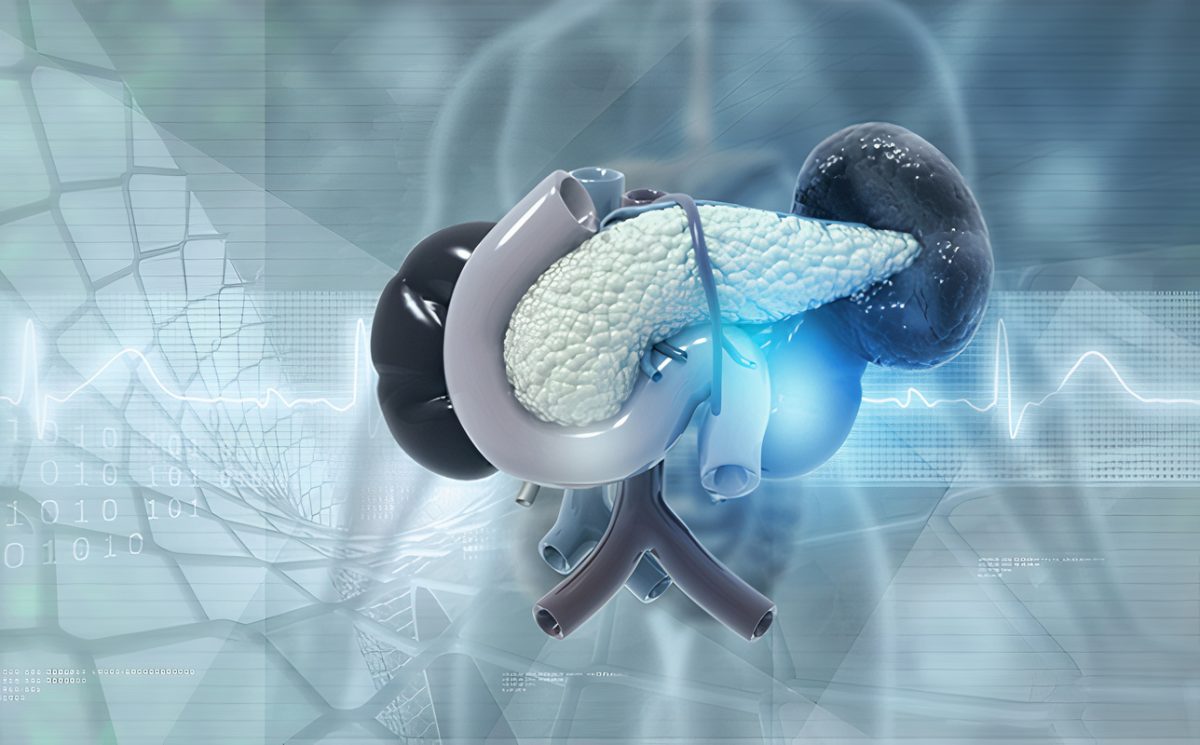
Pancreatitis is inflammation (irritation and swelling) of the pancreas – a long, flat gland located behind your stomach that produces digestive enzymes, and hormones which regulate blood sugar levels.
Acute pancreatitis may start suddenly and last for days or weeks. Chronic pancreatitis is inflammation of the pancreas that gets worse over time and causes scar tissue to form in the pancreas.
What are the symptoms of pancreatitis?
Signs and symptoms of pancreatitis may include:
● Pain in the upper abdomen that may spread to the back.
● Pain that tends to feel worse after eating
● Swollen, tender abdomen
● Nausea and vomiting
● Fever
● Rapid pulse rate
Long-term (chronic) pancreatitis may also cause:
● Constant, sometimes disabling pain
● Unexplained weight loss or malnutrition
● Diabetes
● Oily, smelly stools (steatorrhea).
Pancreatitis
See your doctor if you have abdominal pain which persists or recurs. If the pain is so severe that you can’t sit still or find a position that makes you more comfortable, get urgent medical assistance.
Mild cases of pancreatitis usually improve with treatment. If left untreated, severe cases can lead to life-threatening complications such as:
● Infection of the pancreas which may spread to other parts of the body
● Kidney failure
● Breathing problems
● Bleeding in the damaged pancreas
● Increased risk of pancreatic cancer.
What causes pancreatitis?
Inflammation of pancreatic cells occurs when digestive enzymes become activated
while still in the pancreas. There are various things that may trigger this to happen, the
most common causes are:
● Gallstones
● Heavy alcohol use
Less common causes include:
● Certain medications which can irritate the pancreas
● High levels of triglycerides (a type of fat) in the blood
● Infections
● High calcium levels in the blood (hypercalcemia), which may be caused by an
overactive parathyroid gland
● Abdominal injury or surgery
● Cystic fibrosis.
What can increase the risk of pancreatitis?
Risk factors for pancreatitis include:
● Excessive alcohol consumption
● Cigarette smoking
● Obesity
● Diabetes
● Family history of pancreatitis.
How is pancreatitis diagnosed?
A combinations of tests and procedures can be used to diagnose pancreatitis:
● Blood test to look for raised levels of amylase and lipase – digestive enzymes
produced by the pancreas
● Imaging tests, such as ultrasound, CT scan or MRI
For chronic pancreatitis, extra tests may be required:
● Endoscopic Ultrasound (EUS) – uses an ultrasound device to make images of
your pancreas and connecting ducts by passing a thin, flexible tube (endoscope)
into your throat and through your stomach
● ERCP (endoscopic retrograde cholangiopancreatography) – uses an endoscopic
ultrasound device and dye injected into the pancreas duct and /or bile duct, to
look for blockages
● Secretin pancreatic function test
● Stool test.
How is pancreatitis treated?
Treatment for acute pancreatitis with treatment, most people with acute pancreatitis completely recover. For some people the condition may recur, especially if the underlying problem, such as gallstones, has not been resolved.
Initial treatment for pancreatitis includes:
● Monitoring in hospital
● Pain relief medications
● Intravenous (IV) fluids may be required for dehydration
● As the inflammation in your pancreas improves and pain decreases, you should
begin drinking clear liquids and eating bland foods
● If severe symptoms persist, a feeding tube may be required if normal eating is
too painful
Once your pancreatitis symptoms are under control, a specialist team will seek to find and treat the underlying cause of your pancreatitis.
If pancreatitis is caused by excessive alcohol consumption a treatment program for alcohol addiction may be recommended.
If a medication you are taking is thought to be a cause of acute pancreatitis, your doctor may stop the medication and work with you to find alternative options.
Pancreatitis may be due to bile duct obstructions caused by gallstones or pancreatic stones. For obstructions, infections or damaged pancreatic tissue, endoscopic procedures or surgery may be advised.
Endoscopic procedures
Endoscopic procedures involve inserting a long, thin, flexible tube with a camera (an endoscope) down your throat until it reaches your small intestine, which is next to your pancreas. This can be used for pancreatic pseudocysts (a type of inflammatory cyst) or to remove bile duct obstructions or infected pancreas tissue.
Endoscopic retrograde cholangiopancreatography (ERCP) uses an endoscope with a contrast dye to get clearer images of the pancreas, gallbladder, and related structures.
ERCP can be used to diagnose the cause of pancreatitis and to remove obstructions, such as gallstones.
Surgical procedures
When surgery is recommended, this can often be done laparoscopic procedure (keyhole surgery). This involves inserting a laparoscope (an instrument with a tiny camera and light) into keyhole-sized cuts in your abdomen. Healing is usually faster than in traditional surgery. Gallbladder removal may be recommended if you have multiple episodes of painful gallstones.
Additional treatments for chronic pancreatitis
If pancreatitis becomes a long-term or chronic condition, the pancreas eventually becomes damaged so that it can’t function properly. Ongoing treatment may be required to help the body digest food and manage blood sugar, such as:
● Medications to control pain. If pain is not adequately controlled, you may be referred to a pain specialist.
● Supplemental pancreatic enzymes and insulin may be required if your pancreas is not functioning well.
● Nutritional advice from a dietitian who can help you plan low-fat meals that are high in nutrients.
How can pancreatitis be prevented?
Some risk factors pancreatitis can be reduced through healthy lifestyle changes, such as:
● Maintaining a healthy weight
● Getting regular exercise
● Avoiding smoking and alcohol
● Eating a healthy diet with less fat and more fruits and vegetables, whole grains, and lea
Symptoms often don’t occur until the disease is advanced. They may include:
● Abdominal pain that may radiate to the back
● Loss of appetite or unintended weight loss
● Yellowing of the skin or the whites of the eyes (jaundice)
● Light-coloured, fatty stools
● Dark-coloured urine
● Itchy skin
● New or worsened diabetes
● Blood clots
● Fatigue
See your doctor if you are concerned about any unexplained symptoms. Similar symptoms may occur with many other conditions.
Remember:
Early detection can improve treatment outcomes. Consult your doctor if you experience unexplained symptoms or have a family history of pancreatic cancer.
The cause of pancreatic cancer is not clear and research is ongoing.
Some factors which appear to increase the risk of pancreatic cancer have been identified. These include:
● Smoking – has been identified as one of the biggest risk factors ● Family history of pancreatic cancer
● Diabetes
● Increasing age
● Men are slightly more affected by pancreatic cancer than women ● Chronic inflammation of the pancreas (pancreatitis)
● Obesity
● Family history of genetic syndromes that can increase cancer risk One large research study found that the combination of smoking, long-standing diabetes and a poor diet increases the risk of pancreatic cancer beyond the risk of any one of these factors alone*.
Can pancreatic cancer be prevented?
The cause of pancreatic cancer appears to be complex and involve many different factors. Some factors, such as family history, genetics, race and age cannot be controlled.
However, there are lifestyle changes that you can make to help reduce your risk of developing pancreatic cancer:
● Avoid smoking and exposure to second-hand smoke. If you smoke, talk to your doctor about strategies to help you stop.
● Maintain a healthy weight and get regular exercise. If you need to lose weight, aim for a slow, steady weight loss.
● Eat a healthy diet with plenty of fruits, vegetables and whole grains and less fatty foods. If you have a family history of pancreatic cancer, discuss with your doctor whether you would benefit from genetic counselling and screening. Early detection can improve treatment outcomes.
There are different types of pancreatic cancer. Cysts or benign tumors, which are not cancerous but can sometimes lead to cancer, can also form in the pancreas. Cancers in other parts of the body, which are not pancreatic cancer, may affect the pancreas.
Malignant (cancerous) tumors
Malignant tumors can grow into and destroy surrounding tissue and may spread to other parts of the body.
Exocrine tumours that start in the exocrine cells, where enzymes that help to digest food are made, account for 96% of pancreatic cancers. By far the most common type is called pancreatic ductal adenocarcinoma, which begins in the ducts that carry digestive enzymes out of the pancreas.
Pancreatic neuroendocrine tumours (NETs) develop from cells in the endocrine gland of the pancreas that secrete hormones into the bloodstream. They are rare, accounting for less than 5 percent of pancreatic cancers.
Cysts and benign tumors
Benign (non-cancerous) cysts (fluid-filled sacs) or tumours may grow in their place but do not spread. Some growths or tumours, described as precancerous, might develop into cancer over time if left untreated. These types of pancreatic growths may be picked up on imaging scans, such as CT scans, done for other reasons.
Intraductal papillary mucinous neoplasms (IPMNs) are a type of cyst that develops in pancreatic ducts, most commonly found in people over 50. Most are not cancerous and may cause no symptoms. However they should be monitored as they can potentially become cancerous.
Serous cystadenoma (also known as serous cystic neoplasm) are non-cancerous cysts which often cause no symptoms. They may occur anywhere in the pancreas, and mostly affect women over 50. Most don’t need to be treated unless they grow large or cause symptoms.
Mucinous cystic neoplasms (MCNs) are slow-growing tumors that have cysts filled with a jelly-like substance called mucin. They are usually not cancerous but can become cancerous. They most commonly affect women in their 40s and 50s.
Solid pseudopapillary neoplasms (SPNs) are rare, slow-growing tumors that almost always develop in young women. Although these tumors tend to grow slowly, they can sometimes spread to other parts of the body and so may require surgery.
Other cancers which may affect the pancreas
Some cancers grow in structures that are close to or inside the pancreas, such as the bile duct, and may cause similar symptoms or require the same treatment as for pancreatic cancer:
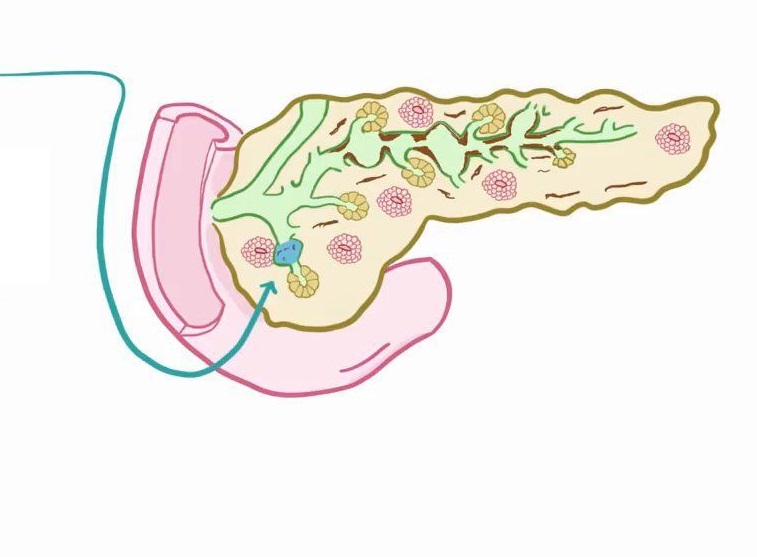
Ampullary cancer (carcinoma of the ampulla of Vater) starts in the ampulla of Vater, where the bile duct and pancreatic duct come together and empty into the small intestine. They often block the bile duct while they are still small, causing a build-up of bile in the body leading to jaundice (yellowing of the skin and whites of eyes). This often leads to these cancers being detected earlier than most pancreatic cancers, which can improve prognosis.
Bile duct cancer (cholangiocarcinoma) occurs in the bile duct that carries bile from the liver to the small intestine. If bile duct cancer occurs where it passes through the pancreas it is called intra-pancreatic bile duct cancer or distal cholangiocarcinoma.
Duodenal cancer occurs in the duodenum – the first part of the small intestine – which is next to the pancreas, and may cause symptoms similar to pancreatic cancer.
Primary pancreatic lymphoma is a rare tumor which occurs when cancer of the body’s lymphatic system develops in the pancreas.
Rarely, cancer may spread (metastase) from other parts of the body to the pancreas. In these cases the cancer is named by the primary cancer site and treated by the medical team specializing in that particular cancer. Pancreatic surgeons may also be involved if surgery is req
Myth 1: Pancreatic Cancer is always deadly.
Fact: Pancreatic cancer is often diagnosed late and can be difficult to treat, but medical advances are improving detection and survival rates. Like other forms of cancer, early detection improves the chances of successful treatment. Surgical techniques, radiation therapy and chemotherapy treatments are becoming safer and more precise.
Myth 2: Pancreatic cancer mostly affects men.
Fact: Pancreatic cancer affects men and women almost equally. Pancreatic cancer is rare compared to other cancers, such as breast or lung cancer. The estimated lifetime risk of contracting pancreatic cancer is 1 in 73 for men and 1 in 74 for women.
Myth 3: Pancreatic cancer only affects older people.
Fact: Although most cases of pancreatic cancer are diagnosed over 60 years old, it has been found in people under 30 years. Practising healthy lifestyle choices throughout life, such as avoiding smoking, eating healthily and exercising regularly, can help to reduce your risk of developing the disease.
Myth 4: Pancreatic cancer can be detected with a simple test.
Fact: Researchers have not yet developed a simple and accurate test to detect pancreatic cancer. A combination of diagnostic tests may be used if a patient has signs or symptoms which could be due to pancreatic cancer. Tests may also be recommended to screen at-risk groups, especially those with a family history of pancreatic cancer.
Myth 5: Palliative care is only for those who are terminally ill.
Fact: Supportive, or palliative care, involves managing symptoms and improving quality of life. Palliative care is beneficial at all stages from diagnosis to during and after treatment, and can help improve outcomes and well-being.
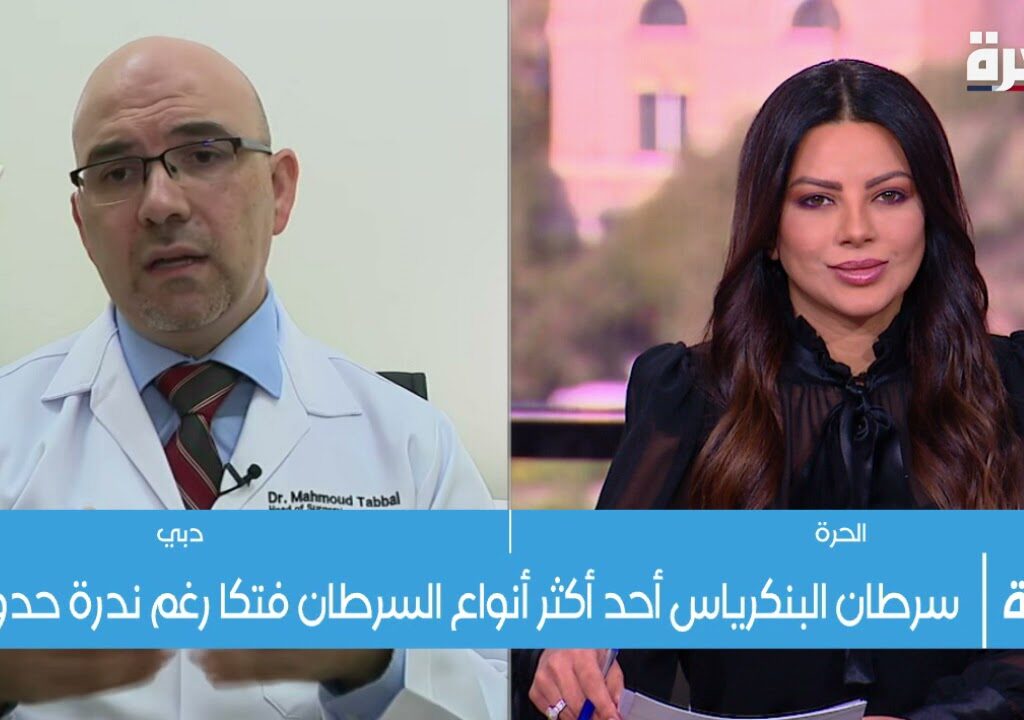
Dr. Mahmoud Tabbal specializes in all conditions that are related to the liver, biliary system and pancreas, as well as oncology and gastrointestinal surgery. Dr. Tabbal combines a compassionate approach with the use of the latest techniques to provide optimal care.
After a diagnosis
Finding out about a cancer diagnosis can be very stressful and you will have a lot of questions. Here are some ways that may help you cope and get the right treatment and support:
● Educate yourself about your cancer to help you make decisions about your care. Share any questions or concerns with your specialist doctor, who will be able to advise you about the details of your cancer and your
treatment options. They will also be able to recommend trusted sources of further information.
● Build a support network of trusted friends and family who can help you with practical tasks or provide a listening ear. If stress, anxiety or depression are causing significant problems in your daily life, talk to your doctor who may recommend professional counselling.
● Consider joining a support group specifically for pancreatic cancer to connect with others who are going through similar experiences. Ask your doctor for information on pancreatic cancer support groups in your area or online.
During treatment
Treatment for pancreatic cancer can extend over a long time period. Side effects of various treatments may include:
Altered digestion and changes in bowel function
Fatigue and weakness may result from poor nutrition, weight loss and muscle wasting
Pain
Neuropathy (nerve damage) may be a side effect of pressure from tumour growth or chemotherapy, resulting in numbness, tingling, burning or shooting pain
Diabetes may develop due to the disease or cancer treatment, especially surgery
There are things you can do as you go through cancer treatment, to help improve your general health and quality of life:
Eat a healthy balanced diet as much as possible. You may see a dietician to help with this.
If you feel bloated after meals, eating smaller amounts more often may help. Your doctor may recommend medication such as proton pump inhibitors, or pancreatic enzyme supplements to help support digestion.
If you are experiencing pain, talk to your doctor about your options for pain-relief medications. A referral to a pain specialist may be recommended if the usual treatments are not working.
Maintain an active lifestyle as far as possible, to benefit both your physical and mental health.
Avoid tobacco and limit alcohol intake.
If anxiety or depression are affecting your daily life, speak to your doctor who may recommend that you seek help from a mental health professional or counsellor.
Some people find that holistic approaches, including complementary and alternative medicine help to alleviate symptoms and reduce anxiety.
Treatment options depend on the type, location and stage of the cancer. Options may include surgery, chemotherapy, radiation therapy or a combination of these. In general, the earlier a cancer is detected, the better the prognosis.
Surgical procedures
● The Whipple procedure (pancreaticoduodenectomy) can be performed for cancers occurring in the head of the gland. It involves removing the head of the pancreas, the first part of the small intestine (duodenum), the gallbladder, part of the bile duct and nearby lymph nodes. The remaining parts of the pancreas, stomach and intestines are reconnected.
● Distal pancreatectomy may be performed to remove a tumour that occurs in the pancreatic body and tail.
● Total pancreatectomy is sometimes required to remove the entire pancreas. It is possible to live relatively normally without a pancreas but lifelong insulin and enzyme replacement is required.
All surgical procedures involve the risk of bleeding and infection and possible nausea or vomiting. A long recovery period may be required.
Chemotherapy and radiation therapy
Chemotherapy drugs may be either injected or taken orally to help kill cancer cells, relieve symptoms and prolong survival.
Radiation therapy uses high-energy beams to destroy cancer cells.
Chemoradiation – a combination of chemotherapy and radiotherapy, may be used before surgery to help shrink a tumor, or after surgery to reduce the risk that pancreatic cancer may recur.
Palliative care For advanced pancreatic cancer that is not amenable to surgery, chemotherapy or radiotherapy, treatment may focus on symptom relief and improving quality of life. Palliative care may also be provided to complement other treatments.
There is no single test to diagnose pancreatic cancer, and detecting tumors can be challenging as the pancreas sits deep in the abdomen and is hidden behind other organs. Pancreatic cancer is often diagnosed when it is more advanced, as may not be picked up in the early stages when there are no symptoms.
A combination of diagnostic tests may be required, such as:
● Imaging tests, such MRI or CT scan, may reveal an abnormal growth or tumour in the pancreas
● Endoscopic Ultrasound (EUS) – uses an ultrasound device to make images of your pancreas from inside your abdomen by passing a thin, flexible tube (endoscope) down your oesophagus and into your stomach
● Biopsy – removing a sample of tissue from the pancreas to examine under the microscope in a laboratory, may be done during endoscopic ultrasound.
● Blood test – for specific proteins (tumour markers) shed by pancreatic cancer cells
These tests are usually performed if a patient has symptoms of pancreatic cancer, although they may be recommended to screen at-risk groups, especially those with a family history of pancreatic cancer.
If your doctor confirms a diagnosis of pancreatic cancer, additional tests may be required to determine the extent (stage) of the cancer and develop the most appropriate treatment plan.
Check out the most important questions and answers about pancreatic cancer answered by Dr. Mahmoud Tabbal, the Head of the surgery department at Alzahra Hospital Dubai, @Al-Youm Show on Alhurranews.