Latest news

Classic list

Globally incubate standards compliant channels before scalable benefits. Quickly disseminate superior deliverables whereas web-enabled applications.

IMG-20220521-WA0000-1024x1024-2.jpg
18/Nov/2022

You may have heard of ‘keyhole’ surgery, or your doctor may have discussed using a minimally invasive technique for your surgery. As technology advances this type of surgery is becoming more common. But what is minimally invasive surgery, when can it be used and what are the benefits?   What is minimally invasive surgery? Surgery is called minimally invasive when it is performed through very small incisions (cuts), or no cuts at all for some types of procedures. A flexible telescopic instrument, with a light and a video camera, is used to view the operation site on a monitor screen. Small instruments are then inserted through small openings to perform the surgery. This is different from traditional open surgery, where a larger incision or cut is required for surgeons to see the area being operated on directly.   What are the benefits of minimally invasive surgery? Minimally invasive procedures mean that less skin and muscle needs to be cut, with the following benefits compared to traditional open surgery: ● Less trauma and pain ● Less bleeding ● Lower risk of infection ● Reduced risk of complications ● Faster recovery ● Shorter hospital stay ● Less scarring   What types of minimally invasive surgery are there? Surgical techniques are continually advancing. Currently, the 3 main types of minimally invasive surgery are: ● Endoscopic surgery – uses a flexible tube with a small camera at the end is used (an endoscope) which may be inserted into the through a natural body opening, like the mouth, or a small incision. Tiny surgical instruments are manipulated through the endoscope to perform the operation. ● Laparoscopy – uses a modified endoscope (laparoscope), inserted through a small incision in the belly (abdomen) to guide the surgeon as he performs the surgery, looking at a monitor screen. ● Robot-assisted surgery (robotic surgery) – instead of manipulating surgical tools manually, the surgeon controls a high-definition camera and robotic arms while sitting at a nearby computer console.   Which surgeries can be done using minimally invasive techniques? Minimally invasive techniques can be used for many types of surgery, including: ● Gastrointestinal surgery ● Cancer surgery ● Some types of heart or lung surgery ● Hip or knee replacements ● Gynaecology or urology procedures ● Kidney transplant surgery   Is Minimally Invasive Surgery suitable for me? There are many benefits of minimally invasive surgery. However, it is not recommended for all types of operations. If you require surgery, discuss the options with your surgeon. They will be able to advise you about the benefits and possible risks of any procedure.
18/Nov/2022

Hernias are a relatively common reason why adults might need surgery. But what is a hernia, how do you know if you have one and when should you see a doctor? What is a hernia? A hernia occurs when part of your intestines, stomach or other internal organ pushes through a gap in a muscle wall. The most common type of hernia is called an inguinal hernia. It mostly affects men and causes a lump in the groin area. Different types of hernias can occur in various locations between the chest and hips. Hiatus hernias are less common and occur when part of the upper stomach pushes through an opening in your diaphragm muscle, or chest wall.   How do I know if I have a hernia? Depending on the size and location, a hernia may cause a lump or bulge you can see or feel. The lump may increase in size over time and protrude more with physical activity, laughing, coughing, or straining. It may be possible to push the lump back inside the body. Other symptoms include: ● Pain at site of the bulge ● Pain on exertion or while lifting ● Bloated sensation   Hiatus hernias do not cause a bulge on the outside of the body but may cause symptoms such as heartburn, indigestion and acid regurgitation.   What causes a hernia? A hernia is caused when pressure on your intestine or other organ in your body occurs in an area where there is a weak spot in muscle or tissue. Most often, muscles weaken with age or repeated strains although some people are born with weak or poorly developed muscles.   Factors that may increase your risk of developing a hernia include: ● Lifting weights incorrectly ● Excessive weight gain or obesity ● Pregnancy or childbirth ● Frequent, persistent coughing ● Straining on the toilet due to constipation.   When should I see a doctor? If you notice a lump or experience other symptoms such as pain while lifting, running or straining on the toilet, you should consult a doctor. Hernias tend to get worse over time, so it is better not to ignore it.   If you have a hernia and experience the following symptoms you should get emergency medical assistance right away: ● The hernia becomes firm or tender, or cannot be pushed back in ● sudden, severe pain ● being sick ● difficulty pooping or passing wind These symptoms can occur when the blood supply to a section of organ or tissue trapped in the hernia has become cut off (strangulated hernia), or if there is a bowel obstruction. A strangulated hernia and obstructed bowel are medical emergencies and need to be treated as soon as possible.   Does my hernia require treatment? If your hernia is large, increasing in size, causing pain or other symptoms then it will need treatment. A small hernia which is not causing any problems may not need immediate treatment, but it should still be monitored. Hernias do not get better on their own and tend to increase in size leading to potential complications and increased pain.   Is surgery needed? Surgery is often required to repair the defect in muscle or soft tissue. The surgery needed will depend on the type and size of the hernia. Surgical mesh is often used to repair larger defects in muscle or soft tissue. Early repair often gives better outcomes and reduces the risk of complications. For suitable cases, laparoscopic or keyhole surgery can reduce bleeding, scarring and other potential complications. Laparoscopic surgery is performed through very small incisions (cuts) using a flexible telescopic instrument, with a light and a video camera to guide the surgeon. Robotic assisted hernia repair is a type of laparoscopic surgery that uses robotic technology to help the surgeon perform complex procedures more precisely. Your surgeon will be able to advise you on the risks and benefits and which is most suitable for you.   Remember: If you think you may have a hernia, don’t ignore it. Left untreated, hernias can increase in size and lead to complications.

IMG-20220509-WA0008-1024x1024-2.jpg
18/Nov/2022

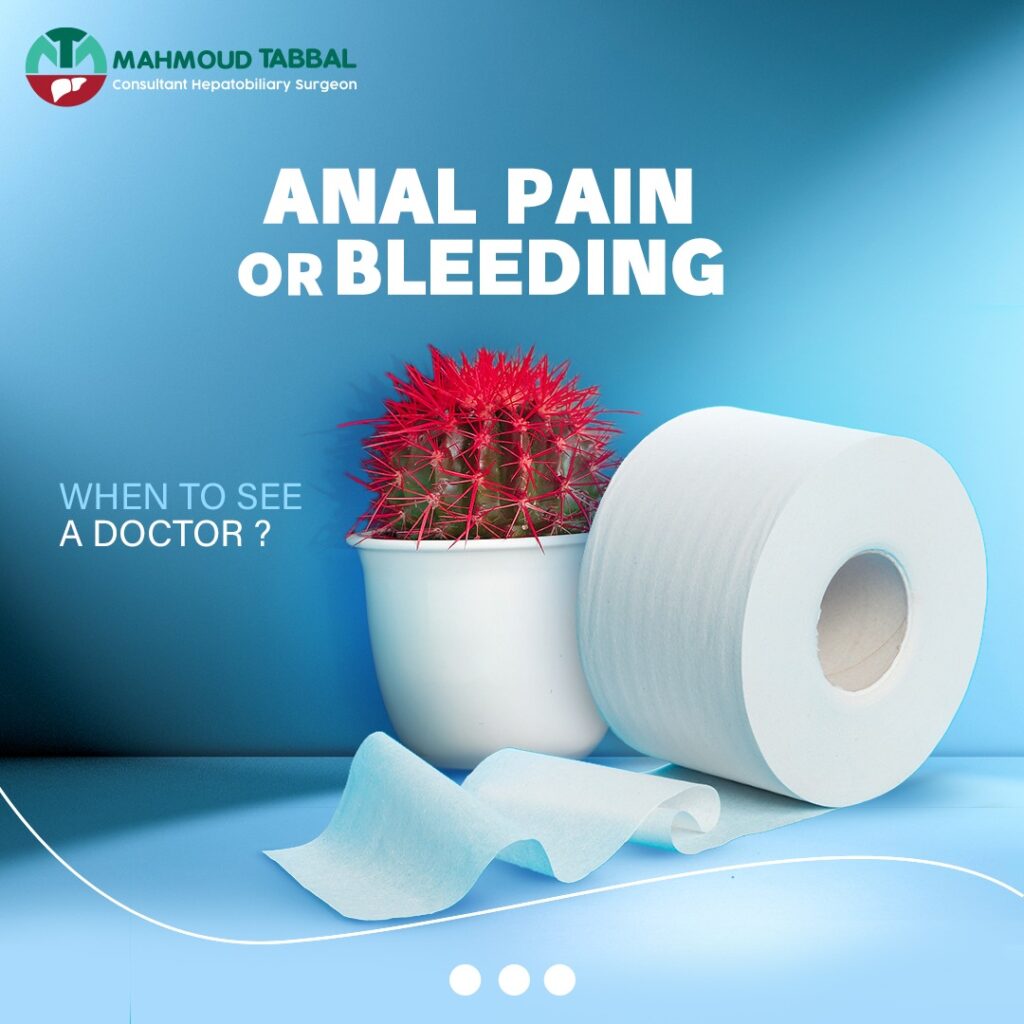
Pain or bleeding from your anus, or bottom opening, can cause problems sitting and going to the toilet. You may feel embarrassed and hesitate to consult your doctor. But how do you know if it is a common problem that will go away on its own, or if it could be something more serious?   Common causes of anal pain or bleeding Haemorrhoids or Piles Haemorrhoids are a common problem, affecting about half of adults by the age of 50. They occur when blood vessels in the anus swell up. Although they are most often relatively harmless, haemorrhoids can cause pain, itching and bleeding, made worse when straining going to the toilet.   Anal Abscess, Fistula or Fissure An abscess occurs when a space in or around the anus becomes infected and filled with pus. Fistulas may occur with repeated abscesses, when pus drains through a tunnel which opens to the skin. Anal fissures are small tears in the thin tissue which lines the anus. Fissures are common in young infants but can occur at any age. They may be caused by straining when going to the toilet.   Polyps Polyps are small clumps of cells that form on the lining of the colon (large intestine) or rectum (back passage). Most people with polyps don’t experience symptoms, but they may cause abdominal pain and rectal bleeding. Most polyps are harmless but over time, some colon polyps can develop into cancer.   Less common but more serious causes of anal pain or bleeding Cancer of the anus, colon or rectum Cancer of the anus is relatively rare. However, colorectal cancer – cancer of the large intestine or back passage – is the third most common and the second most deadly type of cancer.* Symptoms include bleeding or blood in stools (poop), constipation or diarrhoea, pain, itching, swelling or a lump, weakness or fatigue, unexplained weight loss. The best prevention for colon cancer is regular screening for and removal of polyps.   Inflammatory Bowel Diseases Ulcerative colitis is an inflammatory bowel disease (IBD) that causes inflammation and ulcers in the innermost lining of the large intestine (colon) and rectum. Crohn’s disease is a type of inflammatory bowel disease that affects any part of the small or large intestine and often spreads into the deeper layers of the digestive tract. Symptoms of inflammatory bowel diseases may include blood in stools, diarrhoea (often with blood or pus), abdominal pain and cramping, nausea and vomiting, weight loss, fatigue and fever.   What can I do at home to relieve symptoms? Some less serious causes of anal pain and bleeding can be helped by making lifestyle changes such as eating more fibre, drinking more water, being active and avoiding sitting for long periods.   Home treatments which may help include over-the-counter medications, such as topical ointments or creams for haemorrhoids or anal fissures, medications for pain relief or constipation. Soaking the area in a warm-water sitz bath, up to 3 times a day, can also help relieve anal pain. However, if you have severe pain or bleeding, or home remedies are not working then seek medical help.   When should I see a doctor? See your doctor if you have: ● Pain during bowel movements (pooping) ● Rectal bleeding, blood on stools (poop) or toilet paper ● Changes in bowel movements ● Haemorrhoids that don’t improve after a week of home care ● Persistent pain, especially if painkillers are not working.   If you have the following symptoms, you should seek immediate medical attention: ● A significant amount of rectal bleeding or rectal bleeding that won’t stop ● Anal pain that gets much worse or spreads ● You also have fever, chills, dizziness or anal discharge   When is treatment required? Your doctor will be able to advise you on how to manage your symptoms, as well as screen for more serious conditions. Some people with anal fissures may need medication or, occasionally, surgery. Surgery is usually needed to treat anal fistulas. Abscesses often need to be drained as well as antibiotics. Colorectal surgery may be required for more severe disorders, or those that haven’t responded to other treatments.

WhatsApp-Image-2022-04-27-at-12.52.45-PM-1024x1024-2.jpeg
18/Nov/2022

As well as being an important spiritual practice for Muslims, Ramadan fasting in healthy individuals has been shown to have potential health benefits, such as reduced blood sugar and cholesterol levels, and weight loss.

However, it is still possible to put on weight during Ramadan if you don’t control your diet during Suhoor and Iftar. Changes to your normal patterns of eating, sleeping and taking medication, as well as dehydration, can lead to digestive system problems such as heartburn, indigestion or constipation.

Follow these 7 tips to stay healthy while fasting

1. Have a healthy Iftar

  • Break your fast with dates and water before your main meal
  • Don’t binge eat – keep portions small to help avoid indigestion and prevent weight gain
  • Avoid heavy, fried foods as much as possible
  • Cut down on salty and sugary foods
  • Opt instead for lean fish and meat, beans and pulses
  • Choose whole grain brown rice, bread or pasta
  • Include lots of fresh fruits and vegetables
  • Take your time, don’t rush to eat dessert if you are already full

2. Stay hydrated

  • Drink enough water to avoid dehydration and aid digestion
  • Drink at least 10 glasses of water or other non-sweetened drinks between Iftar and Suhoor
  • Eat fluid-rich foods such as soup, salads and fresh fruits
  • Limit coffee and other caffeinated drinks

3. Don’t skip Suhoor

  • A balanced Suhoor will help you keep going until Iftar
  • Eat Suhoor as close to dawn as possible
  • Choose nutrient-rich foods like oatmeal, cheese, labneh, fruits and vegetables
  • Opt for foods which release energy slowly throughout the day such as oats, quinoa, or multigrain and whole grain breads

4. Exercise, but don’t overdo it

  • Remain active, but limit exercise during the day to avoid dehydration
  • The best times to do light to moderate exercise are just before Suhoor or a few hours after Iftar

5. Don’t go to sleep on a full stomach

  • Try to stop eating at least 2 hours before you go to bed, especially if you experience indigestion or gastric acid reflux

6. Drop unhealthy habits

  • Ramadan is the ideal time to give up unhealthy habits such as smoking or eating sugary snacks, as you learn to avoid habit triggers during the day you can continue to avoid them after fasting hours

7. Talk to your doctor if you have any concerns

  • If you have health issues or take regular medication it is important to discuss with your doctor before fasting
  • You should also consult your doctor if you experience any changes to your health or new symptoms while fasting

Wishing you a healthy Ramadan and all the blessings of the Holy Month!


Dr-tabbal_fasting-1024x1024-2.jpg
18/Nov/2022

Fasting during the holy month of Ramadan by abstaining from food, drink and medication from sunrise to sunset, is one of the pillars of Islam. Some Muslims may be exempt from fasting due to medical conditions. It is important to consult your doctor if you take regular medication or have any concerns.

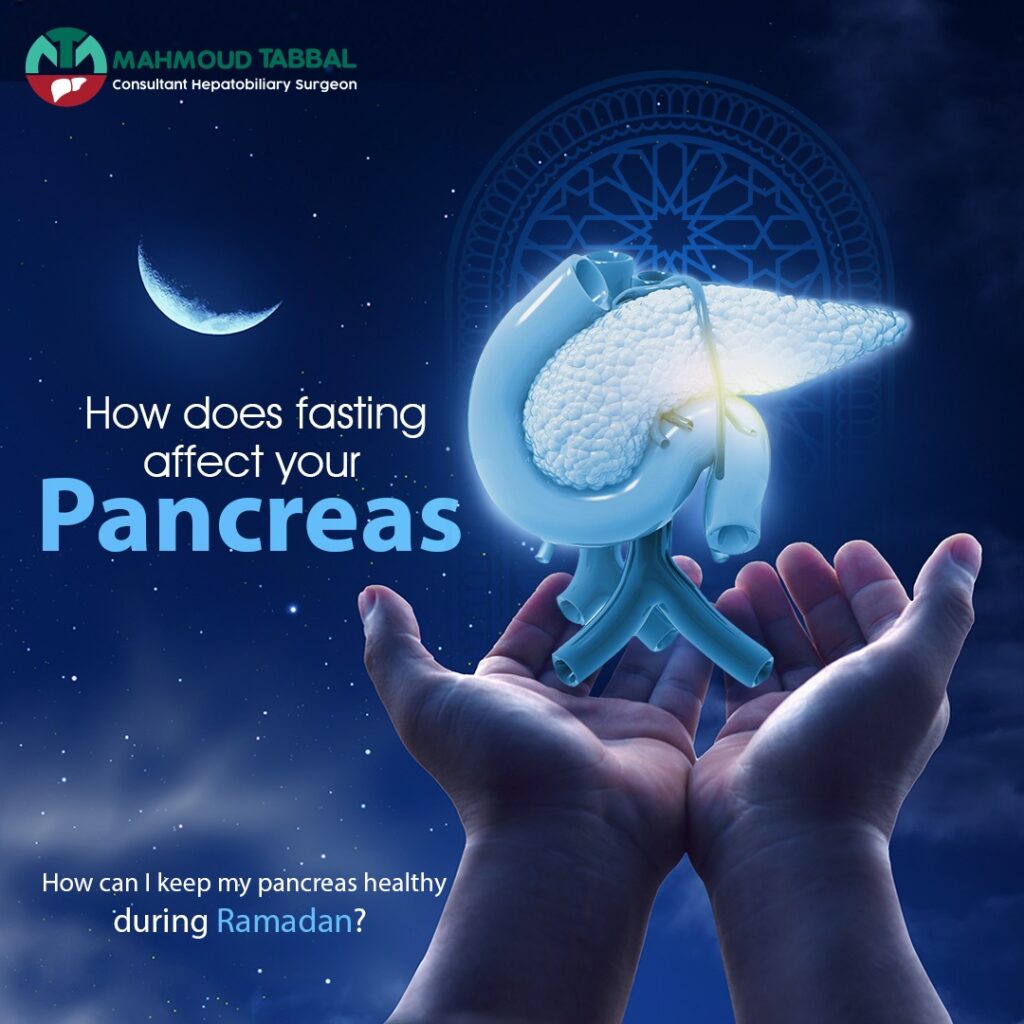
But how does fasting affect your pancreas? How can you look after your pancreas while fasting? What should you do if you are diabetic?

What does my pancreas do?

Your pancreas, a long, flat gland located behind your stomach, plays a big role in digesting the food you eat. The pancreas produces enzymes that help break down fats, starches and proteins. It also makes hormones (chemical messengers) that play important roles, such as insulin and glucagon, which help to regulate your blood sugar levels.

What happens in my pancreas when I fast?

When you eat, your digestive system breaks down the food into glucose (a type of sugar) and the nutrients your body needs. When glucose is detected in your bloodstream, the pancreas secretes insulin, which signals cells throughout your body to absorb the sugar to use for energy. Leftover glucose is stored in your liver in the form of glycogen.
Between meals or in longer periods of fasting, insulin levels drop and your pancreas secretes the hormone glucagon which signals the liver to use its glycogen stores to provide the body with energy and keep blood sugar levels steady. When glycogen stores are used up, your body will start to break down fats to get the energy it needs.

Can I fast if I am diabetic?

Diabetes is a condition in which your body cannot absorb blood sugar properly, either because your pancreas doesn’t produce enough insulin, or cells respond poorly to insulin and take in less sugar (type 2 diabetes). You may need insulin, other medications, or dietary adjustments to help regulate your blood sugar levels.
If you are diabetic, you are at risk of your blood sugar levels becoming too high (hyperglycemia) or too low (hypoglycemia), with potentially dangerous effects on your body. It is essential that you discuss with your doctor whether you can fast safely. This will depend on the type and severity of your diabetes. It is important to follow your doctor’s advice regarding diet, medication, and checking your blood sugar levels regularly.

Is fasting good or bad for my pancreas?

Research has shown that intermittent fasting, as occurs during Ramadan, may provide some general health benefits such as improved metabolism, lowered blood sugar levels and decreased inflammation. Combined with a healthy lifestyle and balanced diet, these effects may potentially help weight loss and reduce the risk of some diseases, such as obesity and cancer.
However, some research has shown that there is a higher rate of acute pancreatitis (short-term inflammation of the pancreas) during Ramadan fasting. The risk of pancreatitis is thought to be increased due to binge eating during the night, eating fatty foods, and not drinking enough water.

How can I keep my pancreas healthy during Ramadan?

Maintaining a healthy weight and lifestyle can reduce your risk of pancreatic disease:
● When breaking your fast, try not to over eat.
● Stick to a healthy balanced diet including fruits and vegetables, whole grains, and lean protein.
● Avoid fatty, salty or highly processed foods.
● Drink enough water to stay hydrated.
● While daytime exercise can be challenging during Ramadan, you can do light exercise such as going for a walk in the evening.
● Smoking increases your risk of pancreatitis and pancreatic cancer. If you do smoke, Ramadan can be a good time to stop. Your doctor can help if you are struggling to quit.
● If you are diabetic, discuss with your doctor how to keep your blood sugar under control.


IMG-20220420-WA0001-1024x1024-2.jpg
18/Nov/2022

Fasting during the holy month of Ramadan by abstaining from food, drink and medication from sunrise to sunset, is an important religious practice for muslims. If you are ill or have underlying health conditions, such as kidney disease, high blood pressure or diabetes, discuss with your doctor whether you can fast safely or how fasting may affect your medical treatment. How can I keep my kidneys healthy while fasting? If you are healthy and are not taking medication that affects your hydration, your kidneys should not be affected by fasting. However, you can avoid problems by following the following tips: Eat Healthy It can be tempting to overdo it when breaking your fast. But sticking to a healthy balanced diet as much as possible can help control weight gain, blood pressure and blood sugar – all risk factors for developing kidney disease. Dates and other dried fruits are a great way to break the fast as they provide natural sugars and minerals and are a source of fibre. Include plenty of fresh fruits and vegetables and wholegrain foods during your Iftar and Suhoor meals. Avoid too much fatty, salty or highly processed foods. Avoid dehydration Dehydration can impact your kidneys as well as your general health. You need to drink enough fluids, including water and other non-sweetened drinks, during non-fasting hours to replace fluids lost during the day and to start the next day of fasting well hydrated. Try drinking one or two glasses of water: ● when you break your fast before you eat ● after your iftar meal ● during nightly prayers ● with your suhoor meal Keep moving Regular exercise can help reduce your blood pressure, boost your heart health and maintain a healthy weight – all of which can help prevent kidney damage. While exercise can be challenging during the day, you can do light exercise such as going for a walk in the evening.   Don’t smoke Smoking, whether cigarettes, shisha or medwakh, increases the risk of kidney function problems, as well as kidney cancer. If you do smoke, Ramadan can be a good time to stop as during fasting hours you can learn how to go through your regular daily routine and to avoid the triggers that make you smoke. Your doctor can help if you are struggling to quit.   Get enough rest Changes to your sleep routine during Ramadan can impact your kidneys and general health. You can counteract this by building in rest periods during the day, even if you can’t get your normal number of hours at night.

IMG-20220322-WA0003-1024x1024-2.jpg
18/Nov/2022

A lump or boil near or between your buttocks can be painful and cause problems sitting. You may be embarrassed to see your doctor about it. Maybe you hope it will go away on its own. But how can you tell if it could be more than a simple boil and when you need to see a doctor?
What is a boil? Boils occur when bacteria gets inside the skin, such as through hair follicles. They commonly occur in areas of the body with skin folds where sweat pools, and the buttock area is one of these.   What do boils on the buttocks look and feel like? You may notice a red, tender, and painful bump or lump on the skin, on or near the crease of the buttocks. Over time this may swell and fill with pus.   What can I do to ease the pain? You can apply moist, warm compresses to the boil area, 3 or 4 times a day. You can take painkillers that you would usually use at home. If it is a simple boil, it may clear up without treatment. Do not try to pop or puncture the boil yourself as this can make the problem worse and cause the infection to spread to other parts of the body.   When do I need to see a doctor? You need to see a doctor if you have had a boil for more than 2 weeks, or if the boil is large, increasing in size, very painful or keeps recurring. Ignoring the problem will not make it go away and could lead to complications. See a doctor if you also have a fever, as this could be a sign of spreading infection. In these cases you may need antibiotics, or your doctor may need to drain the boil to remove the pus.   How do I know if it is more than a normal boil? Sometimes an infection can occur in an abnormal pocket of skin near the tailbone at the top of the cleft of the buttocks, or inside the buttock crease. This is called a pilonidal cyst or pilonidal sinus. If not treated, a pilonidal cyst can lead to an extremely painful abscess when pus builds up under the skin. This type of infection can get worse quickly and does not usually clear up on its own. Therefore it is important to seek medical help if you have a painful lump in this area, especially if it is getting worse or if you have other symptoms such as nausea or fever   What is the treatment for a pilonidal cyst? Treatment depends on the size of the cyst and your symptoms. Where an abcess has developed antibiotics are usually required. Your doctor may need to drain the pus through a small incision (cut) after numbing the area. If the cyst is large or repeatedly infected, surgery may be performed to clean or remove the cyst. Wound care is extremely important after surgery, to keep the area clean.   Can pilonidal cysts be prevented? It’s not clear what causes pilonidal cysts. It is thought that a skin problem, pressure or friction may cause loose hair between the buttocks to be pushed inwards. This leads to the creation of a cyst or pocket around the hair which can become infected. Pilonidal cysts are more common in men and in people who sit for long periods of time, such as long distance truck drivers. You can reduce your risk of pilonidal cysts by keeping the buttock area clean, maintaining an active lifestyle and avoiding prolonged sitting whenever possible.   Remember: Don’t put off seeing a doctor if you have had a painful lump in your buttock area for more than 2 weeks, espe

7ways-1024x1024-2.jpg
18/Nov/2022

Your kidneys are relatively small and you can’t see them but they are vital to your body’s health, so it is important to look after them.


What do my kidneys do?

Your kidneys are amazing organs that perform many vital functions. You have 2 kidneys, each about the size of your fist, located at the bottom of your rib cage on each side of your spine.

The entire blood in your body gets filtered around 400 times in a day through your kidneys, in order to:

  • Filter and remove waste products
  • Remove excess water and make urine
  • Balance your body’s fluid, salt and mineral levels

Your kidneys also produce hormones that regulate blood pressure and control the production of red blood cells. They also produce an active form of vitamin D that promotes strong, healthy bones.


Why should I care about my kidney health?

If your kidneys don’t work effectively, waste products will start to build up in your body. Kidney disease can seriously affect your quality of life and, in the most serious cases, kidney failure can be life-threatening.

Kidney diseases often arise due to other medical conditions, especially diabetes and high blood pressure. However, preventing and controlling these conditions, as well as maintaining an active, healthy lifestyle can help your kidneys stay healthy.


How can I keep my kidneys healthy?

  1. Stay hydrated

Dehydration can affect your kidneys. Regularly drinking enough water benefits your kidneys and your general health.

Most healthy adults need to drink about 1.5 to 2 liters of water a day. If you are sweating due to exercise or living in a hot climate you may need to drink more. If your urine is dark yellow, rather than a pale, light-yellow color, this may be a sign that you are dehydrated.

2. Eat Healthy

A healthy diet can help control weight gain, blood pressure and reduce your risk developing diabetes – all risk factors for developing kidney disease.

Eat a balanced diet with plenty of fresh fruits and vegetables and wholegrain foods.

Avoid too much fatty, salty or highly processed foods.

3. Keep Moving

Regular exercise can help reduce your blood pressure, boost your heart health and maintain a healthy weight – all of which can help prevent kidney damage. Find an exercise you enjoy and aim for 30 minutes 5 times a week.

4. Watch your blood sugar

Uncontrolled blood sugar in diabetes is one of the main risk factors for developing kidney disease. Many people have diabetes without knowing it, so it is a good idea to get your blood sugar level checked, especially if you are approaching middle-age or older.

If you have diabetes, controlling your blood sugar well can limit or prevent kidney damage. Discuss with your doctor the best way to manage your diabetes.

5. Watch your blood pressure

High blood pressure can cause damage to your kidneys. As high blood pressure often has no symptoms, regular blood pressure checks are important.

If your blood pressure is higher than it should be, your doctor will be able to suggest changes to your diet and lifestyle and where necessary, medication to reduce your blood pressure.

6. Don’t smoke

Smoking damages your body’s blood vessels. This slows the blood to your kidneys and decreases their ability to function normally. People who smoke are three times more likely to have reduced kidney function. Smoking also increases the risk of kidney cancer by about 50 per cent. If you don’t smoke, don’t start. If you do, quit!

7. Use medications carefully

Some pain medications available to buy over the counter (OTC) such as aspirin, ibuprofen and paracetamol, can damage your kidneys if you take them regularly for too long. If you have long-term, chronic pain talk to your doctor about kidney-safe medications.

Taking excessive amounts of certain vitamin or herbal supplements can also be harmful to your kidney. Talk to your doctor for advice before taking these.


What should I do if I am at risk for kidney disease?

If you have one or more of the following risk factors, ask your doctor about a kidney health check:

  • you have diabetes
  • you have high blood pressure
  • you are obese
  • you have a family history of kidney disease

Detecting kidney disease early means that lifestyle changes and treatment may be able to prevent it getting worse.


Remember:

Your kidneys are vital to your health. Look after them by maintaining an active, healthy lifestyle. Control your blood sugar and blood pressure, and get a kidney health check if

you have risk factors for kidney disease.


WhatsApp-Image-2022-03-08-at-10.54.56-AM-1024x1024-2.jpeg
18/Nov/2022

Liver Disease – Sorting The Myths From The Facts


How much do you know about liver disease?


Your liver performs many vital tasks such as purifying the blood, processing nutrients, making blood clotting factors, and preventing infection. Over time, conditions that damage the liver can lead to scarring (cirrhosis), which if left untreated can lead to liver failure or liver cancer. The good news is that, for less severe liver disease, you can often prevent further damage or even reverse liver disease with lifestyle changes and early treatment.


Read on to find out what causes liver disease and sort the facts from the myths. 


Myth: I feel healthy, so I can’t have liver disease.


Fact: Liver disease, especially in the early stages, may not cause any symptoms. It is possible to have liver disease and not know it. Sometimes, early liver disease may be detected by scans or blood tests done for another medical problem. Often, symptoms such as yellowing of the skin or eyes, fluid retention, leg swelling and bleeding only occur in advanced liver disease, when the liver becomes so damaged that it is unable to function normally.

Myth: I don’t drink alcohol, so I am not at risk of liver disease.


Fact: There are different types of liver disease with different causes. It is true that heavy drinking can cause alcoholic liver disease, but people who never drink alcohol can develop liver disease. A build-up of fat in the liver may be caused by high blood sugar (diabetes), high blood pressure, excess weight – especially around midsection and high cholesterol. In fact, the incidence of nonalcoholic fatty liver disease is  increasing, especially among young people. Hepatitis viral infection can cause liver damage. Certain genetic disorders can also increase the risk of liver disease.


Myth: My doctor said I have fatty liver disease caused by being overweight, so going on a crash diet to lose weight as fast as possible will fix the problem.


Fact: A diagnosis of fatty liver disease can be an early warning sign. In the early stages of disease, the liver is able to regenerate itself. Making lifestyle changes can help you avoid further liver damage and more serious conditions like cirrhosis or liver cancer. But losing weight too rapidly can actually make fatty liver disease worse.  Follow a balanced diet to lose weight slowly but steadily. Ask your doctor or nutritionist for advice on healthy weight loss techniques.


Myth: I have been diagnosed with cirrhosis, but my liver will heal itself naturally if I do a regular detox or cleanse.


Fact: Although the liver is a highly regenerative organ when it is healthy, once extensive scar tissue is present – as in cirrhosis, your liver’s capacity to regenerate becomes very limited. Herbal and dietary supplements marketed for detoxification or cleansing are generally not recommended and have not been proven to work. In fact, some unregulated dietary supplements can actually cause harm to the liver by leading to drug-induced injury. Ask your doctor’s advice before taking any supplements.


Myth: If I have liver disease, I will eventually need a liver transplant


Fact: In the majority of cases, where liver damage is not extensive, your liver may still be able to perform all of its routine functions adequately for a long time. Mild to moderate liver disease can often be treated with lifestyle modifications, as well as regular monitoring of liver function. More severe liver problems may require medications or surgery. Liver transplants are only recommended for the most severe cases, including liver failure or liver cancer that can’t be removed with surgery.


WhatsApp-Image-2022-02-21-at-10.36.19-AM-1024x1024-2.jpeg
18/Nov/2022

Hope for pancreatic cancer: advances in treatment 


Pancreatic cancer is known for being a difficult cancer to detect and treat. It is the seventh leading cause of global cancer deaths in industrialized countries and the third most common in the USA, despite accounting for only about 3% of diagnosed cancers.


The cause of pancreatic cancer is not clear and research is ongoing. Some factors such as smoking, diabetes, obesity, and some genetic mutations have been shown to increase the risk of developing pancreatic cancer.


Why is pancreatic cancer difficult to treat? 


Pancreatic cancer is difficult to detect in the early stages of the disease. The most commonly found type of pancreatic cancer has a tendency to spread (metastasize) to other parts of the body quickly, and recur after surgical removal. Currently, the majority of pancreatic cancers are diagnosed at an advanced stage when they have  already spread, making treatment challenging.

However, there is cause for hope. Research is enabling earlier detection and advances in the treatment of pancreatic cancer, with the potential to improve survival rates.

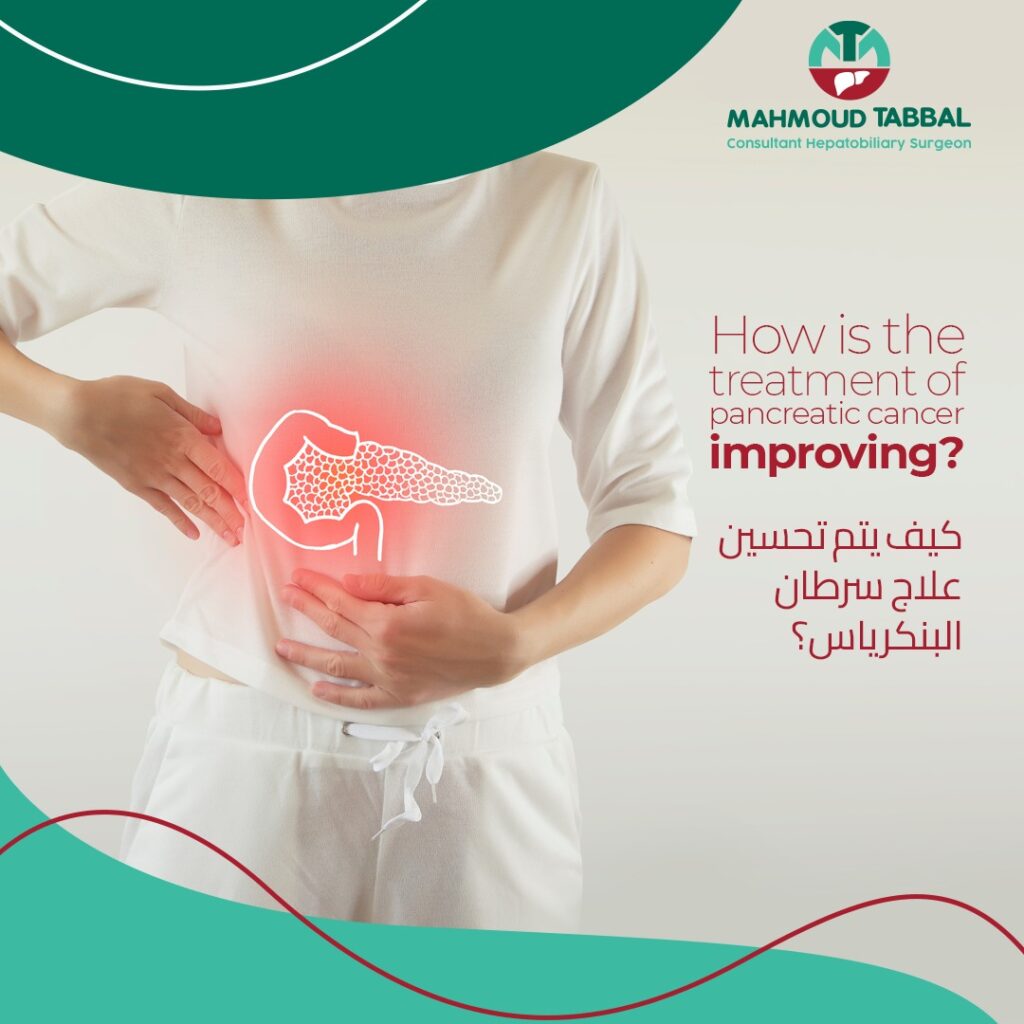
How is the treatment of pancreatic cancer improving?

Treatment options depend on the type, location and stage of the cancer. In general, the earlier a cancer is detected, the better the prognosis. Treatments for pancreatic cancer are becoming safer and more precise. Studies have found that survival rates are improving for cancers found in the early stages. Clinical trials are being conducted to find more effective ways to treat pancreatic cancer.


Advances in chemotherapy


Chemotherapy drugs may be either injected or taken by mouth to help kill cancer cells, relieve symptoms and prolong survival. New types of chemotherapy and new ways to combine chemotherapy drugs are currently undergoing clinical trials in order to find more effective treatments.


Advances in radiotherapy

Radiation therapy uses high-energy beams to destroy cancer cells. Technology is continually advancing to enable more precise delivery of radiotherapy to tumours while minimizing any unwanted radiation to the rest of the body.


Improved surgical techniques

New surgical techniques and improved post-operative care, alongside advances in chemotherapy and radiotherapy to shrink tumours pre-operatively, mean that more pancreatic cancers can be treated surgically. For suitable cases, tumours can be removed more safely with smaller incisions using minimally invasive procedures, and sometimes even robotic-assisted surgery. Minimally invasive laparoscopic surgery is performed through tiny abdominal incisions using a thin, lighted tube with a camera on its tip (a laparoscope).


New immunotherapy drugs


Immunotherapy interferes with proteins produced by cancer cells which prevent them from being attacked by the body’s immune system. This enables the body’s own immune system to fight the cancer in cases where surgery is not an option. There are currently many clinical trials for new immunotherapy drugs.

Targeted drug therapies

Targeted drug therapies target specific weaknesses present within cancer cells, causing the cancer cells to die. Some clinical trials have focused on certain genetic mutations associated with a higher risk of developing pancreatic cancer.

Improved palliative care

Medical advances in supportive, or palliative, care are enabling better management of symptoms and improved quality of life for cancer patients. Palliative care is beneficial at all stages from diagnosis to during and after treatment, and can help improve outcomes and well-being.


Remember:


Early detection can improve treatment outcomes. Consult your doctor if you experience unexplained symptoms, develop diabetes over the age of 50, or have a family history of pancreatic cancer. 


2023@All rights reserved.