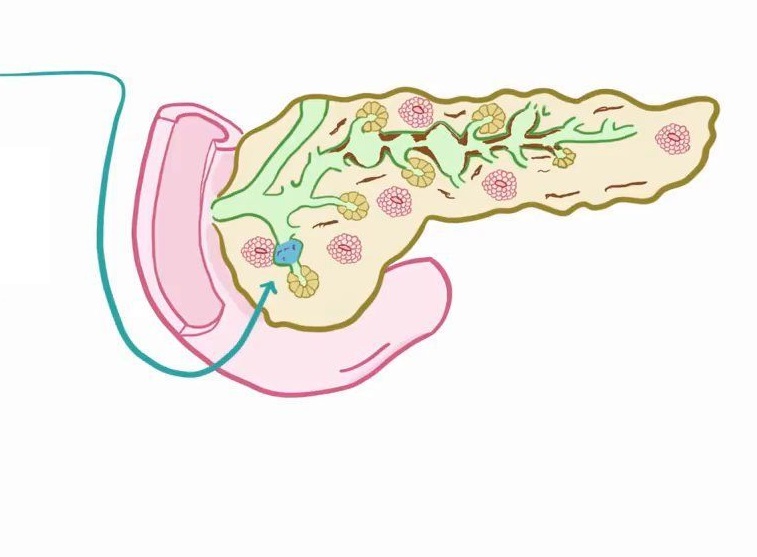
Pancreatitis is inflammation (irritation and swelling) of the pancreas – a long, flat gland located behind your stomach that produces digestive enzymes, and hormones which regulate blood sugar levels.
Acute pancreatitis may start suddenly and last for days or weeks. Chronic pancreatitis is inflammation of the pancreas that gets worse over time and causes scar tissue to form in the pancreas.
What are the symptoms of pancreatitis?
Signs and symptoms of pancreatitis may include:
● Pain in the upper abdomen that may spread to the back.
● Pain that tends to feel worse after eating
● Swollen, tender abdomen
● Nausea and vomiting
● Fever
● Rapid pulse rate
Long-term (chronic) pancreatitis may also cause:
● Constant, sometimes disabling pain
● Unexplained weight loss or malnutrition
● Diabetes
● Oily, smelly stools (steatorrhea).
Pancreatitis
See your doctor if you have abdominal pain which persists or recurs. If the pain is so severe that you can’t sit still or find a position that makes you more comfortable, get urgent medical assistance.
Mild cases of pancreatitis usually improve with treatment. If left untreated, severe cases can lead to life-threatening complications such as:
● Infection of the pancreas which may spread to other parts of the body
● Kidney failure
● Breathing problems
● Bleeding in the damaged pancreas
● Increased risk of pancreatic cancer.
What causes pancreatitis?
Inflammation of pancreatic cells occurs when digestive enzymes become activated
while still in the pancreas. There are various things that may trigger this to happen, the
most common causes are:
● Gallstones
● Heavy alcohol use
Less common causes include:
● Certain medications which can irritate the pancreas
● High levels of triglycerides (a type of fat) in the blood
● Infections
● High calcium levels in the blood (hypercalcemia), which may be caused by an
overactive parathyroid gland
● Abdominal injury or surgery
● Cystic fibrosis.
What can increase the risk of pancreatitis?
Risk factors for pancreatitis include:
● Excessive alcohol consumption
● Cigarette smoking
● Obesity
● Diabetes
● Family history of pancreatitis.
How is pancreatitis diagnosed?
A combinations of tests and procedures can be used to diagnose pancreatitis:
● Blood test to look for raised levels of amylase and lipase – digestive enzymes
produced by the pancreas
● Imaging tests, such as ultrasound, CT scan or MRI
For chronic pancreatitis, extra tests may be required:
● Endoscopic Ultrasound (EUS) – uses an ultrasound device to make images of
your pancreas and connecting ducts by passing a thin, flexible tube (endoscope)
into your throat and through your stomach
● ERCP (endoscopic retrograde cholangiopancreatography) – uses an endoscopic
ultrasound device and dye injected into the pancreas duct and /or bile duct, to
look for blockages
● Secretin pancreatic function test
● Stool test.
How is pancreatitis treated?
Treatment for acute pancreatitis with treatment, most people with acute pancreatitis completely recover. For some people the condition may recur, especially if the underlying problem, such as gallstones, has not been resolved.
Initial treatment for pancreatitis includes:
● Monitoring in hospital
● Pain relief medications
● Intravenous (IV) fluids may be required for dehydration
● As the inflammation in your pancreas improves and pain decreases, you should
begin drinking clear liquids and eating bland foods
● If severe symptoms persist, a feeding tube may be required if normal eating is
too painful
Once your pancreatitis symptoms are under control, a specialist team will seek to find and treat the underlying cause of your pancreatitis.
If pancreatitis is caused by excessive alcohol consumption a treatment program for alcohol addiction may be recommended.
If a medication you are taking is thought to be a cause of acute pancreatitis, your doctor may stop the medication and work with you to find alternative options.
Pancreatitis may be due to bile duct obstructions caused by gallstones or pancreatic stones. For obstructions, infections or damaged pancreatic tissue, endoscopic procedures or surgery may be advised.
Endoscopic procedures
Endoscopic procedures involve inserting a long, thin, flexible tube with a camera (an endoscope) down your throat until it reaches your small intestine, which is next to your pancreas. This can be used for pancreatic pseudocysts (a type of inflammatory cyst) or to remove bile duct obstructions or infected pancreas tissue.
Endoscopic retrograde cholangiopancreatography (ERCP) uses an endoscope with a contrast dye to get clearer images of the pancreas, gallbladder, and related structures.
ERCP can be used to diagnose the cause of pancreatitis and to remove obstructions, such as gallstones.
Surgical procedures
When surgery is recommended, this can often be done laparoscopic procedure (keyhole surgery). This involves inserting a laparoscope (an instrument with a tiny camera and light) into keyhole-sized cuts in your abdomen. Healing is usually faster than in traditional surgery. Gallbladder removal may be recommended if you have multiple episodes of painful gallstones.
Additional treatments for chronic pancreatitis
If pancreatitis becomes a long-term or chronic condition, the pancreas eventually becomes damaged so that it can’t function properly. Ongoing treatment may be required to help the body digest food and manage blood sugar, such as:
● Medications to control pain. If pain is not adequately controlled, you may be referred to a pain specialist.
● Supplemental pancreatic enzymes and insulin may be required if your pancreas is not functioning well.
● Nutritional advice from a dietitian who can help you plan low-fat meals that are high in nutrients.
How can pancreatitis be prevented?
Some risk factors pancreatitis can be reduced through healthy lifestyle changes, such as:
● Maintaining a healthy weight
● Getting regular exercise
● Avoiding smoking and alcohol
● Eating a healthy diet with less fat and more fruits and vegetables, whole grains, and lea