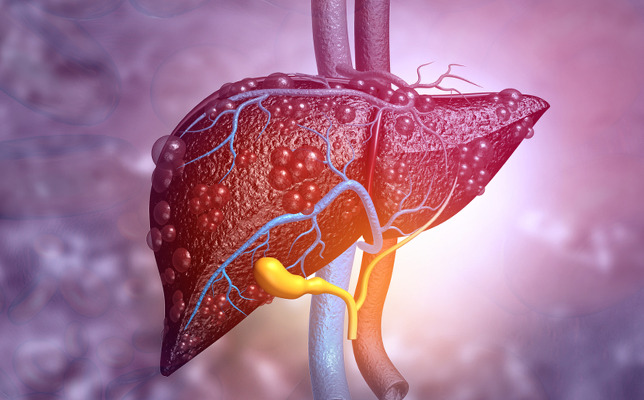


Gallstones are small, solid lumps that form from a digestive fluid called bile, within the gallbladder.
They can range in size from as small as a grain of sand to as large as a golf ball.
Gallstones can cause problems if they become lodged in a duct causing a blockage.
Gallstones can occur in the gallbladder and migrate to the bile duct, or they can form in the bile duct itself.
What is the gallbladder and what does it do?
The gallbladder is a small, pear-shaped sac located under the liver. It stores and concentrates bile, which is produced in the liver. When required for digestion of food, bile is released through the bile duct into the small intestine. Bile helps to break down fats and aids the digestion of fat soluble vitamins.How common are gallstones?
Gallstones are very common. Research has shown that around one in six men and one in three women suffer from gallstones at some point in their life. Gallstones appear to be becoming more common and affecting younger people, possibly due to changes in our diets.What causes gallstones?
It’s not clear why gallstones form, but it is thought that gallstones may result from:- Too much cholesterol in bile – which may crystallise to form gallstones.
- Excess bilirubin – a chemical that is produced when your body breaks down red blood cells – may contribute to gallstone formation. This may occur due to certain blood disorders, infections or liver disease.
- Incomplete emptying of the gallbladder – may cause bile to become very concentrated, contributing to the formation of gallstones.
What factors make getting gallstones more likely?
The following factors appear to increase the risk of gallstones:- Women are twice as likely to develop gallstones than men
- Gallstones are more common after 40 years of age
- Obesity
- Sedentary or physically inactive lifestyle
- Diet high in fat and cholesterol but low in fibre
- Regularly skipping meals or fasting
- Family members who have had gallstones
- Diabetes – due to high levels of fatty acids, called triglycerides, which increase the risk for gallstones
- Liver disease
- Certain blood disorders, such as sickle cell anemia or leukaemia
- Rapid weight loss – may lead to extra cholesterol in bile as fat is metabolised
- Excess oestrogen due to pregnancy, hormone replacement therapy, or contraceptive pills appears to increase cholesterol levels in bile and decrease gallbladder movement, both of which can lead to gallstones
- Drugs which lower blood cholesterol, as these can increase the amount of cholesterol secreted in bile.
How will I know if I have gallstones?
Many people with small gallstones have no symptoms, and so may be unaware that they have them unless they show up on a diagnostic test done for another reason. When gallstones lodge in a duct causing a blockage, this may lead to an ‘attack’ (biliary colic), often occurring after a fatty meal, or at night.
- Sudden and rapidly intensifying pain in the centre or upper right portion of the abdomen
- Back pain between your shoulder blades
- Pain in your right shoulder
- Nausea or vomiting
- Abdominal bloating
- Indigestion
- Extreme abdominal pain
- Yellowing of the skin and the whites of your eyes (jaundice)
- High fever with chills
- Clay-coloured stools.
What problems can gallstones cause?
- Inflammation of the gallbladder (cholecystitis) can occur when a gallstone becomes lodged in the neck of the gallbladder. Cholecystitis can cause severe pain and fever.
- Blockage of the bile ducts through which bile flows from your gallbladder or liver to your small intestine. This is called choledocholithiasis and can cause severe pain, jaundice and bile duct infection.
- Pancreatitis (inflammation of the pancreas) can occur if a gallstone blocks the pancreatic duct. Pancreatitis causes intense, constant abdominal pain and usually requires hospitalization.
- Increased risk of gallbladder cancer. But as gallbladder cancer is very rare, the likelihood of gallbladder cancer is still very small.
How are gallstones diagnosed?
Your doctor will ask questions about your symptoms and medical history and carry out a physical examination. The following tests and procedures may be used to diagnose gallstones and related complications:- Abdominal ultrasound
- Endoscopic ultrasound (EUS) – can help identify smaller stones that may be missed on an abdominal ultrasound
- Cholecystography – a type of X-ray using a contrast material to show the flow of fluid through the intestines into the gallbladder
- Computerized tomography (CT) scan or magnetic resonance imaging (MRI)
- Magnetic resonance cholangiopancreatography (MRCP)
- Endoscopic retrograde cholangiopancreatography (ERCP) involves inserting an endoscope (small flexible tube with a camera) through the mouth and the stomach to reach the opening of the bile duct into the intestine. A contrast dye is used to see the bile ducts more clearly on X-ray. Gallstones discovered using ERCP can be removed during the procedure.
- Blood tests to look for signs of infection, jaundice, pancreatitis or other complications .
What is the treatment for gallstones?
Gallstones that don’t cause any signs and symptoms don’t usually need treatment. Where gallstones are causing problems, treatment options may include:- Surgery to remove the gallbladder (cholecystectomy) can often be done using a minimally invasive (keyhole surgery) technique. Once the gallbladder is removed, bile flows directly from your liver into your small intestine, rather than being stored in your gallbladder. The gallbladder is not essential for digestion or health, although diarrhoea may be a side effect of its removal.
- Endoscopic retrograde cholangiopancreatography (ERCP) to remove gallstones in the bile duct using an endoscope, avoiding the need for surgery. Alternatively, small drainage tubes (stents) may be inserted around the stones to allow the bile to flow freely again.
- Oral dissolution therapy involves taking a medicine made from bile acid to dissolve the stones. This treatment is now rarely used as it may take months or years to dissolve gallstones, and they can recur if treatment is stopped.
- Extracorporeal shockwave lithotripsy (ESWL) uses shock waves to break stones up into tiny pieces that can pass through the bile ducts without causing blockages.
Can gallstones be prevented?
Some people are more prone to developing gallstones, but you can reduce your risk if you:- Avoid skipping meals
- Lose weight slowly
- Eat more high-fibre foods, such as fruits, vegetables and whole grains
- Reduce the amount of fatty foods you eat
- Maintain a healthy weight and get regular exercise