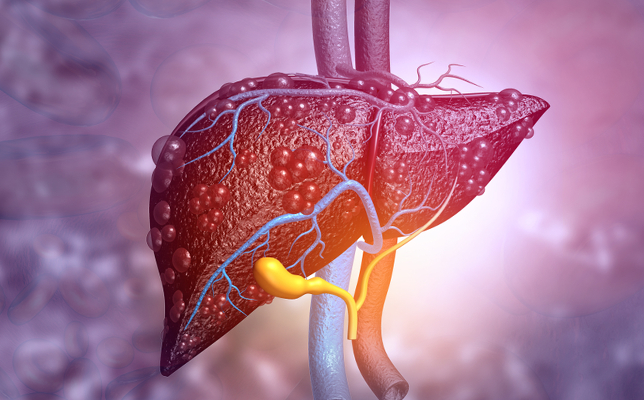
- Gallstones are more common than you think
Gallstones are very common. Research has shown that around one in six men and one in three women will have gallstones at some point in their life. Gallstones appear to be becoming more common and affecting younger people, possibly due to changes in our diets.
- You may have gallstones without realising it
Many people with small gallstones have no symptoms, and so may be unaware that they have them unless they show up on a diagnostic test done for another reason. Gallstones can start to cause problems when they get lodged in the ducts which carry bile fluid needed for digestion, causing a blockage.
- Cholesterol is the most common reason for gallstones
It’s not clear why gallstones form, but the most common type of gallstones develop when high cholesterol levels in bile fluid cause the cholesterol to crystallise to form gallstones. A less common type of gallstones, more common in people with liver disease or certain blood disorders and infections, form when the bile has too much bilirubin.
- Women are more likely to get gallstones than men
Gallstones are found twice as often in women. Excess oestrogen due to pregnancy, hormone replacement therapy, or contraceptive pills appears to increase cholesterol levels in bile and decrease gallbladder movement, both of which can lead to gallstones. Gallstones are also more common after 40 years of age. Obesity and eating a diet high in fat and cholesterol but low in fibre can also increase the risk of gallstones.
- Gallstones don’t always need treatment
If gallstones are found coincidentally and not causing any problems, they usually don’t need treatment, but can be monitored. Where gallstones are causing repeated or severe problems, they will need to be removed.
- Left untreated, gallstones can cause more serious complications
An ‘attack’ due to a gallstone blocking a bile duct occurs most often after a fatty meal, or at night and may last from several minutes to a few hours. Symptoms include sudden abdominal pain, increasing in intensity – which may radiate to the back or right shoulder, and nausea or vomiting. An gallbladder ‘attack’ may mimic a heart attack and emergency medical assessment is required. If left untreated gallstones can also cause serious complications such as severe infections, fever, jaundice, and an increased risk of gallbladder cancer.
- Your gallbladder is not essential for health
Surgery to remove the gallbladder (cholecystectomy) is a commonly recommended treatment, as this prevents gallstones recurring. Your gallbladder is not essential for digestion or health. Once the gallbladder is removed, bile flows directly from the liver into the small intestine, rather than being stored in the gallbladder. Some people who have had their gallbladder removed may experience mild problems with bloating or pass softer stools more frequently.
Remember:
Symptoms caused by gallstones vary between individuals and similar symptoms may occur with other medical problems. Always consult your doctor if you have symptoms or concerns.
Dr. Mahmoud Tabbal specializes in all conditions that are related to the liver, biliary system and pancreas as well as oncology and gastrointestinal surgery. Using the latest techniques and state-of-the art-services, Dr. Tabbal provides his patients with high quality care.