
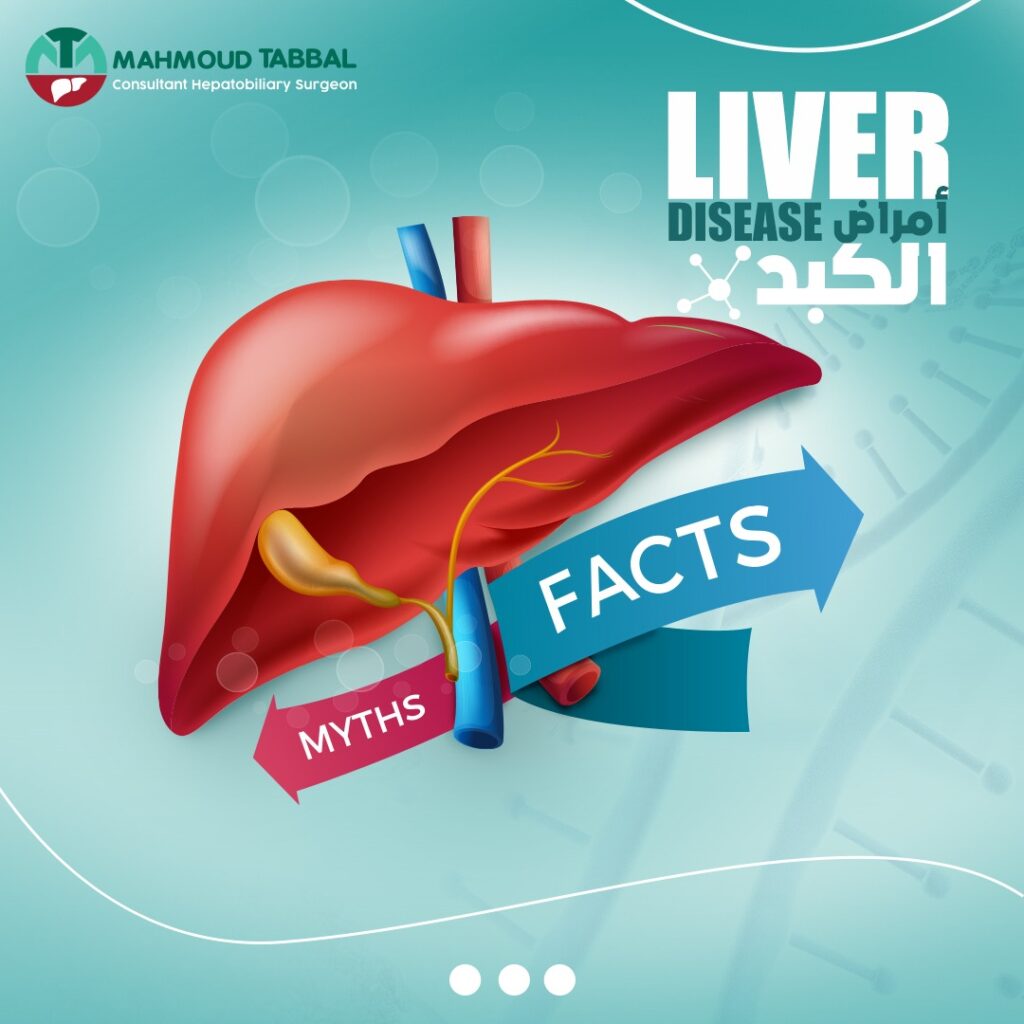

Liver Disease – Sorting The Myths From The Facts
How much do you know about liver disease?
Your liver performs many vital tasks such as purifying the blood, processing nutrients, making blood clotting factors, and preventing infection. Over time, conditions that damage the liver can lead to scarring (cirrhosis), which if left untreated can lead to liver failure or liver cancer. The good news is that, for less severe liver disease, you can often prevent further damage or even reverse liver disease with lifestyle changes and early treatment.
Read on to find out what causes liver disease and sort the facts from the myths.
Myth: I feel healthy, so I can’t have liver disease.
Fact: Liver disease, especially in the early stages, may not cause any symptoms. It is possible to have liver disease and not know it. Sometimes, early liver disease may be detected by scans or blood tests done for another medical problem. Often, symptoms such as yellowing of the skin or eyes, fluid retention, leg swelling and bleeding only occur in advanced liver disease, when the liver becomes so damaged that it is unable to function normally.
Myth: I don’t drink alcohol, so I am not at risk of liver disease.
Fact: There are different types of liver disease with different causes. It is true that heavy drinking can cause alcoholic liver disease, but people who never drink alcohol can develop liver disease. A build-up of fat in the liver may be caused by high blood sugar (diabetes), high blood pressure, excess weight – especially around midsection and high cholesterol. In fact, the incidence of nonalcoholic fatty liver disease is increasing, especially among young people. Hepatitis viral infection can cause liver damage. Certain genetic disorders can also increase the risk of liver disease.
Myth: My doctor said I have fatty liver disease caused by being overweight, so going on a crash diet to lose weight as fast as possible will fix the problem.
Fact: A diagnosis of fatty liver disease can be an early warning sign. In the early stages of disease, the liver is able to regenerate itself. Making lifestyle changes can help you avoid further liver damage and more serious conditions like cirrhosis or liver cancer. But losing weight too rapidly can actually make fatty liver disease worse. Follow a balanced diet to lose weight slowly but steadily. Ask your doctor or nutritionist for advice on healthy weight loss techniques.
Myth: I have been diagnosed with cirrhosis, but my liver will heal itself naturally if I do a regular detox or cleanse.
Fact: Although the liver is a highly regenerative organ when it is healthy, once extensive scar tissue is present – as in cirrhosis, your liver’s capacity to regenerate becomes very limited. Herbal and dietary supplements marketed for detoxification or cleansing are generally not recommended and have not been proven to work. In fact, some unregulated dietary supplements can actually cause harm to the liver by leading to drug-induced injury. Ask your doctor’s advice before taking any supplements.
Myth: If I have liver disease, I will eventually need a liver transplant
Fact: In the majority of cases, where liver damage is not extensive, your liver may still be able to perform all of its routine functions adequately for a long time. Mild to moderate liver disease can often be treated with lifestyle modifications, as well as regular monitoring of liver function. More severe liver problems may require medications or surgery. Liver transplants are only recommended for the most severe cases, including liver failure or liver cancer that can’t be removed with surgery.