A hiatal hernia occurs when part of the stomach pushes through the diaphragm into the chest.
Dr Mahmoud Tabbal provides specialist assessment and treatment for hiatal hernia in Dubai,
including advanced laparoscopic and robotic surgery. Treatment options range from lifestyle
modifications and medication to minimally invasive surgical repair.
With over 20 years of
international surgical experience and Fellowship of the American College of Surgeons, Dr Tabbal
offers personalised care at Fakeeh University Hospital and HealthBay Clinic in Dubai.
The diaphragm separates the chest from the abdomen. The oesophagus passes through a small opening in the diaphragm, known as the hiatus, before connecting with the stomach. A hiatal hernia develops when part of the stomach pushes upwards through this opening.
The most common type is a sliding hiatal hernia, where the junction between the oesophagus and stomach moves above the diaphragm. Other types, including paraoesophageal hernias, can involve a larger portion of the stomach moving into the chest and may require specialist surgical assessment.
Treatment depends on the type and size of the hernia, the symptoms it is causing and its impact on the patient. For some people, lifestyle changes and medication may be sufficient. For others, particularly those with persistent symptoms or larger hernias, surgery may be considered.
The first step is understanding the cause of your symptoms and determining which treatment is appropriate for you.
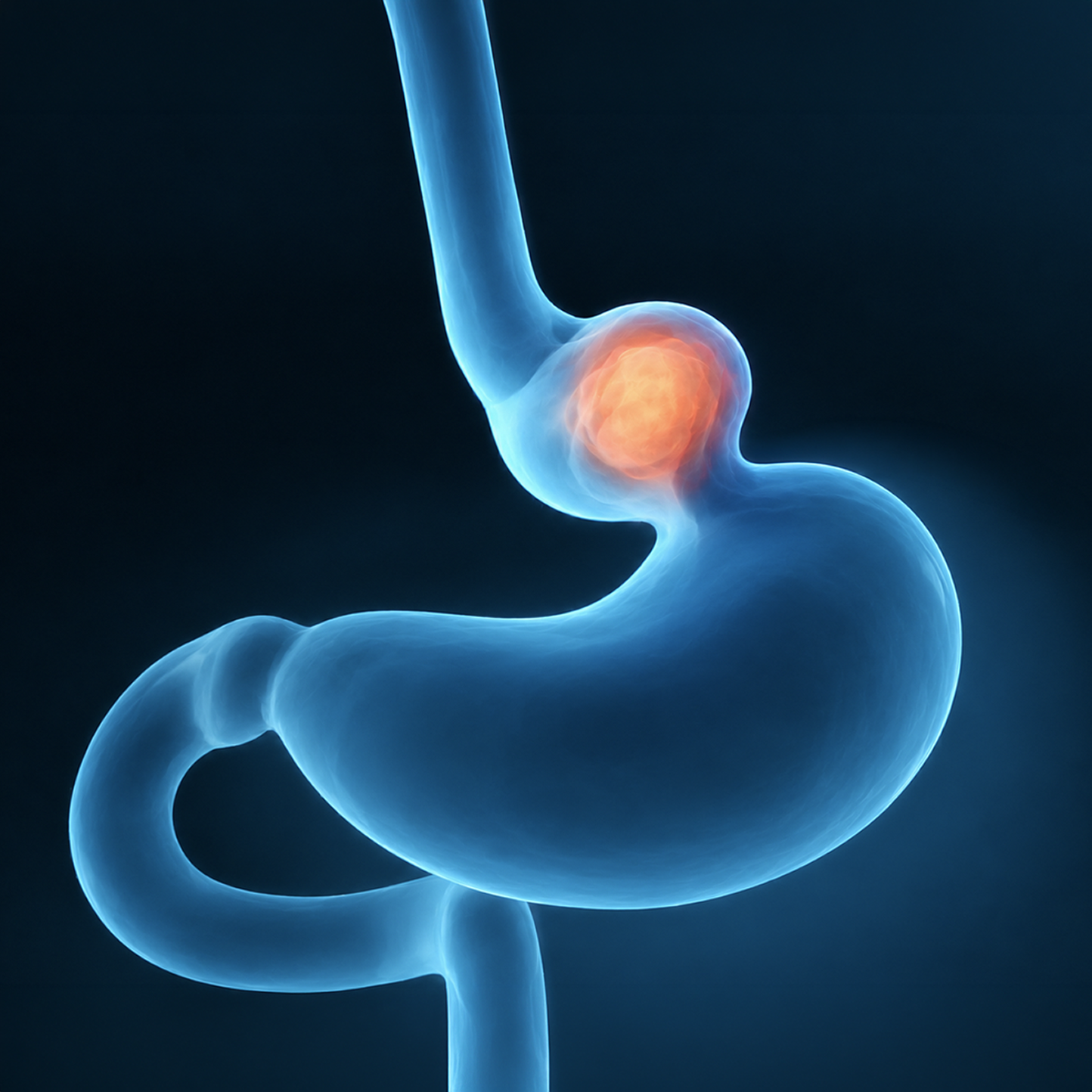
Many small hiatal hernias cause no noticeable symptoms and may only be discovered during investigations for another condition. When symptoms do occur, they can include:
Larger hiatal hernias can sometimes cause more significant symptoms, including shortness of breath or problems eating normally. Hiatal hernia is also closely associated with gastro-oesophageal reflux disease (GERD). The conditions are different, but a hiatal hernia can weaken the normal barrier between the stomach and oesophagus and contribute to reflux.

There is not always one identifiable cause. A hiatal hernia can develop as the tissues and muscles around the opening in the diaphragm weaken over time or are subjected to repeated pressure.
Age can be a factor, while increased pressure within the abdomen associated with obesity, pregnancy, persistent coughing, repeated vomiting, constipation or frequent heavy lifting may also contribute. Some people may naturally have a larger opening in the diaphragm.
Understanding these factors is part of the assessment, but the presence of a risk factor does not necessarily mean that it caused the hernia.
Diagnosis starts with understanding your symptoms, how long they have been present and whether previous treatments have helped.
Depending on your symptoms and the suspected type of hernia, Dr Tabbal may recommend investigations such as an upper gastrointestinal endoscopy or imaging to understand the anatomy of the stomach, oesophagus and diaphragm.
Where significant reflux is present or anti-reflux surgery is being considered, additional investigations such as oesophageal manometry or 24-hour pH monitoring may be required. These tests provide important information about how the oesophagus is functioning and whether reflux is responsible for the symptoms.
The objective is not simply to confirm that a hiatal hernia exists, but to understand whether it is responsible for your symptoms and what treatment is most likely to help.
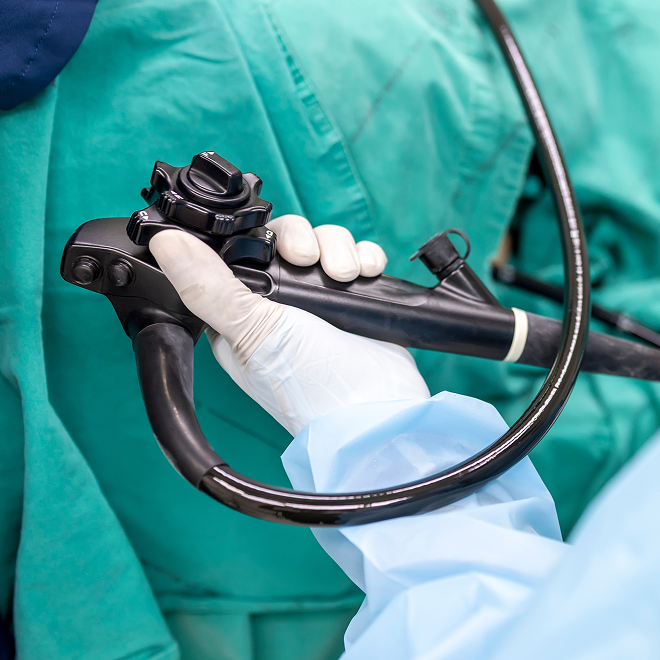
Not every hiatal hernia needs surgery. For smaller hernias where acid reflux is the main problem, treatment may initially focus on lifestyle changes and medication to reduce stomach acid and control symptoms.
If symptoms continue despite appropriate treatment, the hernia is large or complex, or there is a significant anatomical problem, specialist surgical assessment may be recommended.
This assessment considers the type and size of the hernia, the severity of symptoms, the results of diagnostic investigations and the patient’s overall health before deciding whether an operation is appropriate.
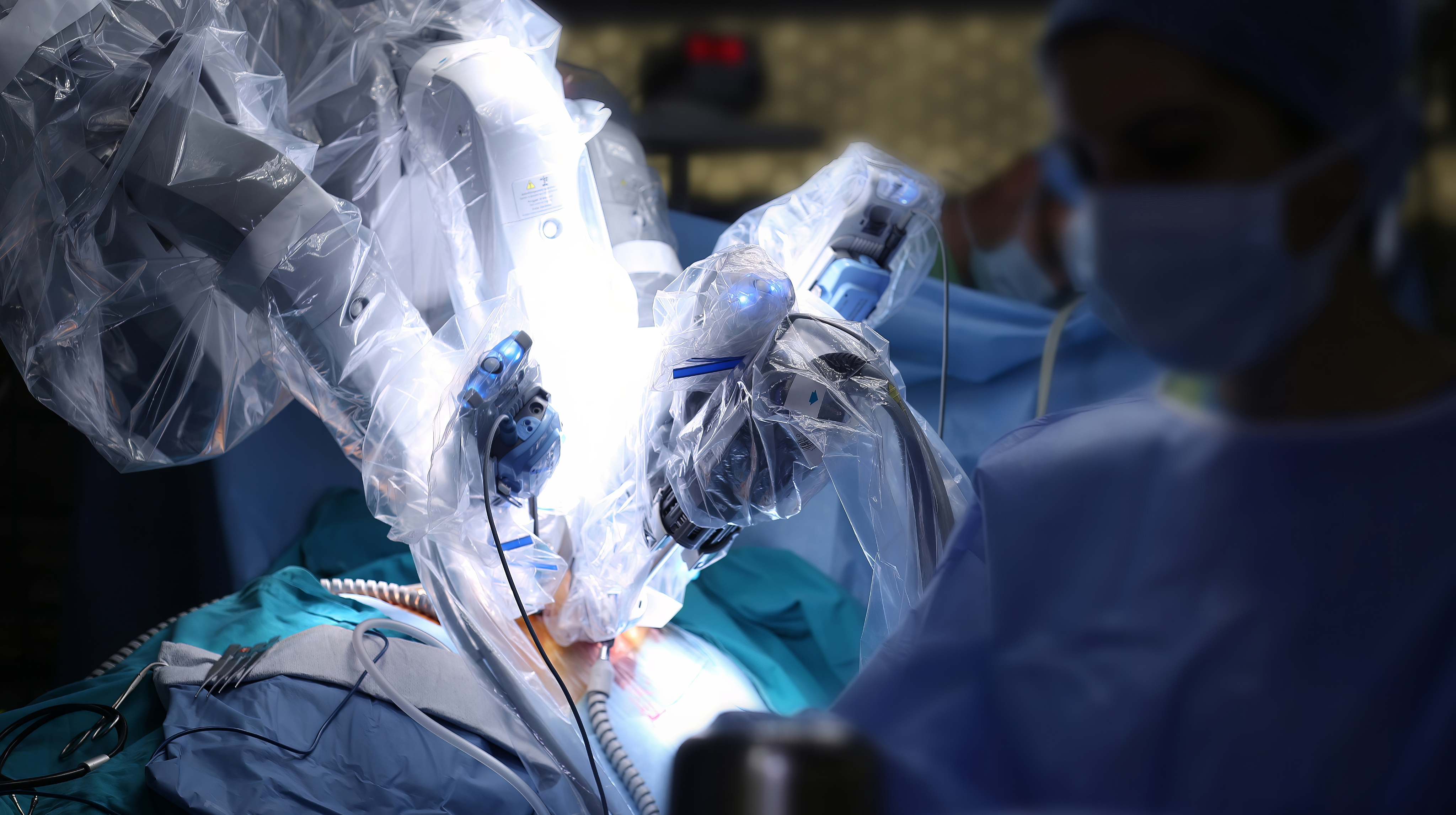
When surgery is required, hiatal hernia repair can often be performed using minimally invasive laparoscopic or robotic techniques.
During the procedure, the stomach is carefully returned to its normal position below the diaphragm. The enlarged opening in the diaphragm is then repaired and tightened to help prevent the stomach from moving back into the chest.
For patients who also experience significant reflux, the operation may include an anti-reflux procedure such as fundoplication. This uses the upper part of the stomach to reinforce the junction between the stomach and oesophagus, helping to reduce reflux.
The exact operation depends on the patient’s anatomy, symptoms and diagnostic findings. Dr Tabbal will explain the recommended surgical approach, its potential benefits and risks, and what to expect from recovery before any decision is made.
Your treatment begins with a specialist consultation to discuss your symptoms, medical history and any previous investigations or treatments.
If further diagnostic tests are needed, these are used to establish the type and extent of the hernia and determine whether other conditions, including GERD, are contributing to your symptoms.
Dr Tabbal will then discuss the findings with you and recommend an appropriate treatment plan. This may involve continued non-surgical management or, where there is a clear indication, surgical repair.
If surgery is recommended, you will be guided through the procedure, preparation and recovery. Follow-up after surgery is used to assess healing, symptom improvement and your return to normal eating and activity.
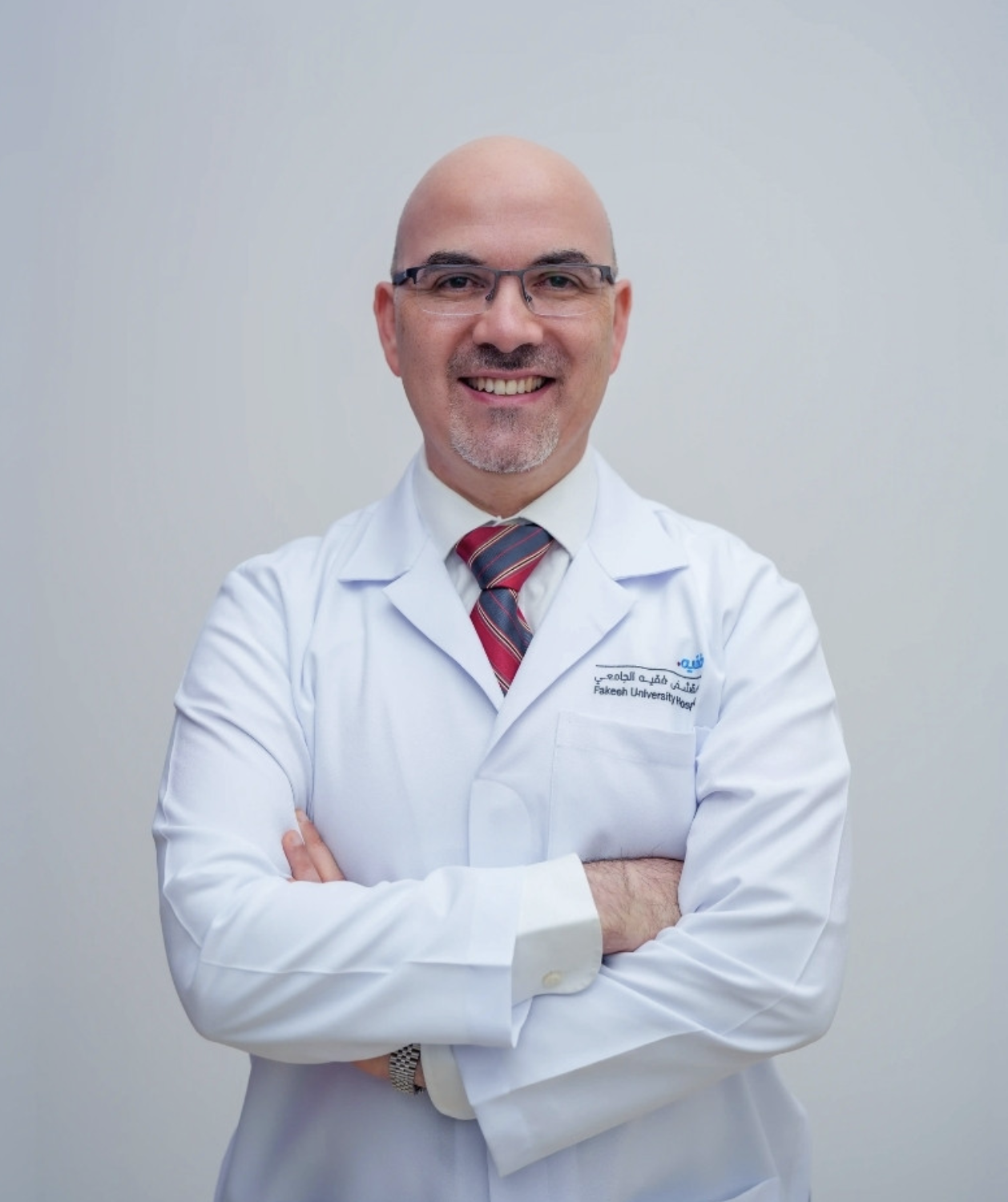
Dr Mahmoud Tabbal is a Board-Certified Consultant General, Laparoscopic and Robotic Surgeon with more than twenty years of international surgical experience across the USA, Canada, Saudi Arabia and Jordan.
Based at Fakeeh University Hospital in Dubai, Dr Tabbal specialises in advanced minimally invasive and robotic surgery. He is Chair of the General Surgery Department and Chair of the Surgical Institute and also consults at HealthBay in Dubai.
Dr Tabbal is a Fellow of the American College of Surgeons and has undertaken advanced surgical training in the USA and Canada, together with an Advanced Diploma in Laparoscopic Surgery from France and advanced robotic surgery training in the USA.
For patients with a hiatal hernia, his approach begins with careful diagnosis and understanding the relationship between the hernia and the patient’s symptoms. Surgery is recommended when there is a clear clinical reason and a likely benefit to the patient.
Some people feel nothing at all. Others experience persistent heartburn, acid reflux, regurgitation, difficulty swallowing or discomfort in the chest or upper abdomen. Symptoms vary depending on the size and type of hernia and whether reflux is also present.
No. A hiatal hernia is an anatomical condition in which part of the stomach moves upwards through the diaphragm. GERD occurs when stomach contents repeatedly flow back into the oesophagus. A hiatal hernia can contribute to GERD, which is why the two conditions often occur together.
Yes. Many hiatal hernias do not require surgery. Where reflux is the main symptom, lifestyle changes and medication may provide effective control. Surgery is generally considered when there is a specific clinical indication, such as persistent symptoms, a larger or more complex hernia, or inadequate response to non-surgical treatment.
A specialist surgical assessment may be appropriate if symptoms are persistent or becoming more severe, you have difficulty swallowing, reflux is not adequately controlled with treatment, or investigations have identified a larger or more complex hiatal hernia.
There is no single answer based only on the size of the hernia. The decision considers your symptoms, the type and anatomy of the hernia, diagnostic findings, oesophageal function, previous treatment and your overall health. A specialist assessment is therefore important before considering surgery.
In many cases, repair can be performed laparoscopically or robotically through small incisions. The stomach is repositioned below the diaphragm and the opening in the diaphragm is repaired. An anti-reflux procedure may also be performed when appropriate.
Fundoplication is an anti-reflux procedure that can be performed alongside hiatal hernia repair. The upper part of the stomach is used to reinforce the lower end of the oesophagus, creating a stronger barrier against reflux.
Recovery varies according to the procedure, the size and complexity of the hernia and the individual patient. Following minimally invasive surgery, patients are usually encouraged to begin moving soon after their operation and will receive specific guidance about diet, activity and returning to normal routines. Dr Tabbal will discuss the expected recovery period as part of your surgical plan.