GERD (gastro-oesophageal reflux disease) is a chronic condition where stomach contents repeatedly
flow back into the oesophagus, causing heartburn, regurgitation, and other symptoms.
Dr Mahmoud Tabbal provides specialist assessment and surgical treatment for GERD in Dubai, including
minimally invasive laparoscopic and robotic anti-reflux surgery. While many patients manage GERD
with lifestyle changes and medication, surgery may be appropriate for those with persistent
symptoms.
Dr Tabbal is a Board-Certified Consultant Surgeon with over 20 years of international experience and
Fellowship of the American College of Surgeons.
GERD occurs when stomach contents repeatedly flow backwards into the oesophagus. Normally, a muscular valve at the lower end of the oesophagus helps prevent this from happening. If this barrier is weakened or does not function effectively, stomach acid and other contents can travel upwards and irritate the lining of the oesophagus.
For some patients, GERD can be managed effectively through lifestyle changes and medication. For others, symptoms continue despite treatment or return whenever medication is stopped.
A hiatal hernia can also contribute to GERD by changing the normal anatomy around the junction between the stomach and oesophagus.
The right treatment therefore starts with establishing what is causing the reflux rather than simply treating the symptoms.
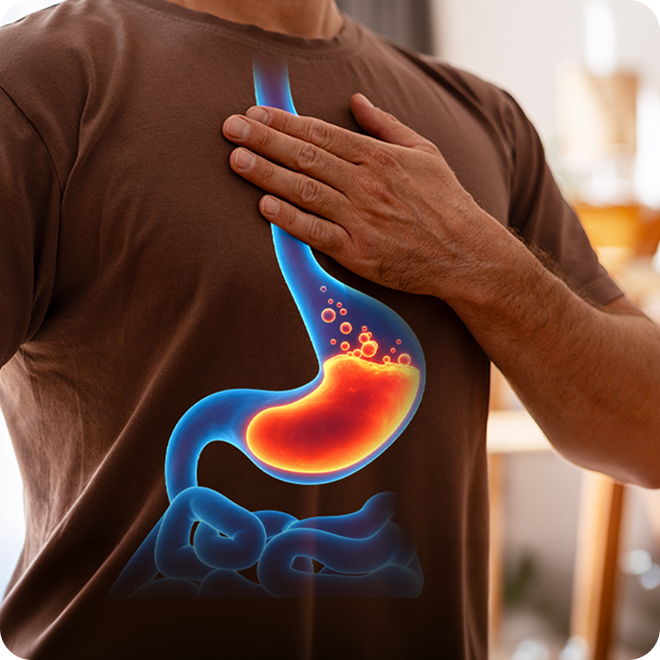
The most familiar symptom of GERD is heartburn, a burning sensation that can rise from the upper abdomen or chest towards the throat. Other symptoms can include
Some people may also experience symptoms outside the digestive system, such as chronic coughing or throat symptoms. Because these can have many different causes, careful assessment is particularly important.

GERD is usually associated with a problem in the normal barrier between the stomach and oesophagus.
Several factors can contribute. These include a weakened lower oesophageal sphincter, a hiatal hernia, increased pressure within the abdomen, excess body weight and other anatomical or functional problems affecting the upper digestive system.
Diet and lifestyle can also influence symptoms, although the triggers vary considerably between patients.
This is why persistent reflux should not automatically be assumed to have one cause. Establishing the underlying problem helps determine whether medication, lifestyle changes or another form of treatment is most appropriate.
For patients with persistent or more complex symptoms, diagnosis may involve more than confirming the presence of heartburn.
Dr Tabbal will review your symptoms, medical history, previous treatment and how you have responded to medication. Depending on the individual case, further investigations may include an upper gastrointestinal endoscopy to examine the oesophagus and stomach.
Where surgery is being considered, tests such as 24-hour pH monitoring can measure the frequency and extent of reflux, while oesophageal manometry assesses how effectively the oesophagus and lower oesophageal sphincter are functioning.
These investigations can also help identify a hiatal hernia and determine whether reflux is genuinely responsible for the patient’s symptoms. The aim is to establish a clear diagnosis before considering an operation.
GERD treatment usually begins conservatively. Changes to eating habits, weight management where appropriate and avoiding individual triggers can help some patients. Medication, particularly acid-suppressing treatment, can also be highly effective at controlling symptoms and allowing irritation of the oesophagus to heal.
However, controlling acid does not necessarily correct the underlying mechanical cause of reflux. For patients with confirmed chronic GERD, persistent symptoms despite appropriate treatment, significant regurgitation or an anatomical problem such as a hiatal hernia, specialist surgical assessment may be appropriate.
The decision is individual. Having GERD does not automatically mean that surgery is necessary.

Anti-reflux surgery is designed to strengthen the natural barrier between the stomach and oesophagus and reduce the movement of stomach contents back into the oesophagus.
The most established surgical procedure is fundoplication. This uses the upper part of the stomach to reinforce the lower end of the oesophagus, creating a stronger anti-reflux barrier.
Fundoplication can be complete or partial. The appropriate technique depends on factors including the patient’s symptoms, anatomy, oesophageal function and results of pre-operative investigations. The operation can often be performed using minimally invasive laparoscopic or robotic surgery, through small incisions rather than traditional open surgery.
If a hiatal hernia is also present, this can usually be repaired as part of the same operation. The stomach is returned to its correct position below the diaphragm and the opening in the diaphragm is repaired before the anti-reflux procedure is completed.
Surgery is not the first treatment for every patient with GERD. It may be considered when reflux has been objectively confirmed and symptoms remain troublesome
despite appropriate medical treatment, when significant regurgitation continues, or when there is an anatomical problem contributing to the condition.
Some patients may also wish to discuss surgical treatment because they require ongoing medication to control established chronic reflux.
Before recommending surgery, it is important to confirm the diagnosis, understand the function of the oesophagus and establish that an operation is likely to address the patient’s symptoms. This is where specialist surgical assessment becomes particularly important.

Your consultation begins with a detailed discussion of your symptoms, how long they have been present, what makes them better or worse and which treatments you have already tried.
Existing investigations will be reviewed and further testing arranged where necessary. This is particularly important if surgery is being considered, as symptoms that appear to be reflux can sometimes have another cause. Once the results are available, Dr Tabbal will explain the findings and discuss the available options with you.
If non-surgical treatment remains appropriate, this may continue. If surgery is recommended, Dr Tabbal will explain the proposed procedure, its potential benefits and risks, and what to expect during recovery.
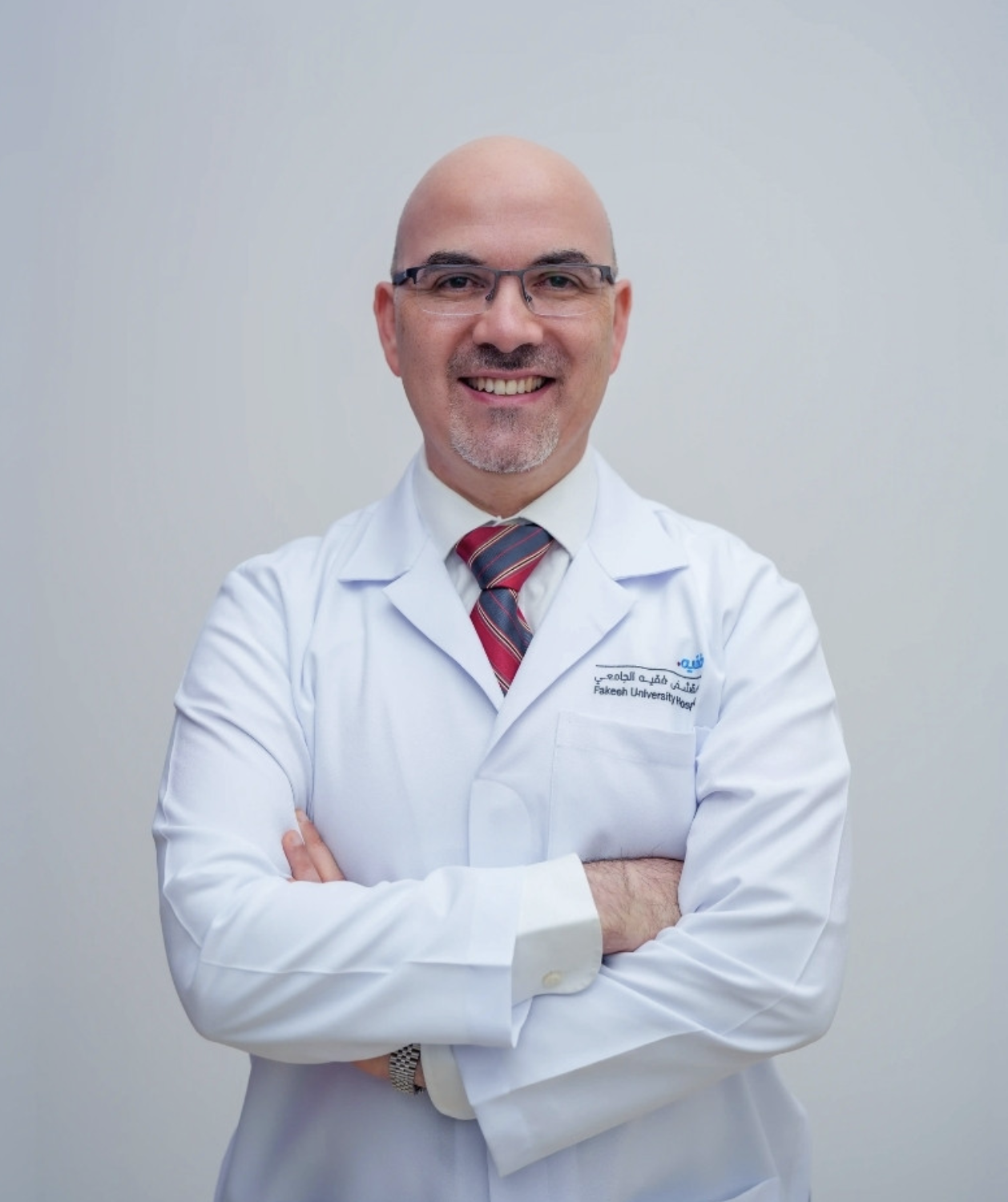
Dr Mahmoud Tabbal is a Board-Certified Consultant General, Laparoscopic and Robotic Surgeon with more than twenty years of international surgical experience across the USA, Canada, Saudi Arabia and Jordan.
Based at Fakeeh University Hospital in Dubai, Dr Tabbal specialises in advanced minimally invasive and robotic surgery. He is Chair of the General Surgery Department and Chair of the Surgical Institute and also consults at HealthBay in Dubai.
Dr Tabbal is a Fellow of the American College of Surgeons and has undertaken advanced surgical training in the USA and Canada, together with an Advanced Diploma in Laparoscopic Surgery from France and advanced robotic surgery training in the USA.
For patients with persistent GERD, his approach focuses first on establishing an accurate diagnosis and understanding the underlying cause of the reflux before determining whether surgical treatment is appropriate.
Acid reflux describes stomach contents flowing back into the oesophagus and can happen occasionally in otherwise healthy people. GERD is a chronic condition in which reflux occurs repeatedly, causes troublesome symptoms or leads to complications.
Heartburn and regurgitation are among the most common symptoms. Patients may also experience a sour taste, difficulty swallowing, upper abdominal or chest discomfort, bloating or symptoms that become worse after meals or when lying down.
No. GERD describes persistent reflux of stomach contents into the oesophagus. A hiatal hernia occurs when part of the stomach moves upwards through the diaphragm. A hiatal hernia can contribute to GERD, so the two conditions frequently occur together.
Yes. Many patients manage GERD successfully with lifestyle changes and medication. Surgery is generally considered for selected patients with confirmed GERD where there is a clear reason to consider an anti-reflux procedure.
Specialist surgical assessment may be appropriate if symptoms remain troublesome despite appropriate treatment, significant regurgitation persists, you have a hiatal hernia contributing to reflux, or you have confirmed chronic GERD and want to understand the surgical options available.
Fundoplication is an established anti-reflux operation. The upper part of the stomach is used to reinforce the lower end of the oesophagus, helping to prevent stomach contents from flowing backwards. It may be performed as a complete or partial fundoplication depending on the individual patient.
For suitable patients, anti-reflux surgery can be performed using either laparoscopic or robotic minimally invasive techniques. The appropriate approach depends on the patient’s anatomy, previous surgery and individual circumstances.
Where surgery is appropriate, hiatal hernia repair and an anti-reflux procedure can often be performed during the same operation. The hernia is repaired to restore the anatomy around the diaphragm, while the anti-reflux procedure strengthens the barrier between the stomach and oesophagus.
Symptoms alone are not enough to make that decision. A specialist assessment and appropriate investigations are used to confirm GERD, assess oesophageal function and identify any anatomical problems. Dr Tabbal can then discuss whether continued medical treatment or surgery is the more appropriate option for your individual circumstances.